Explore Bahrain’s contemporary skyline, waterfront districts, cultural venues, and transport-led developments. Compare areas by architectural value, access, photography conditions, accommodation options, and time needed for a practical visit.
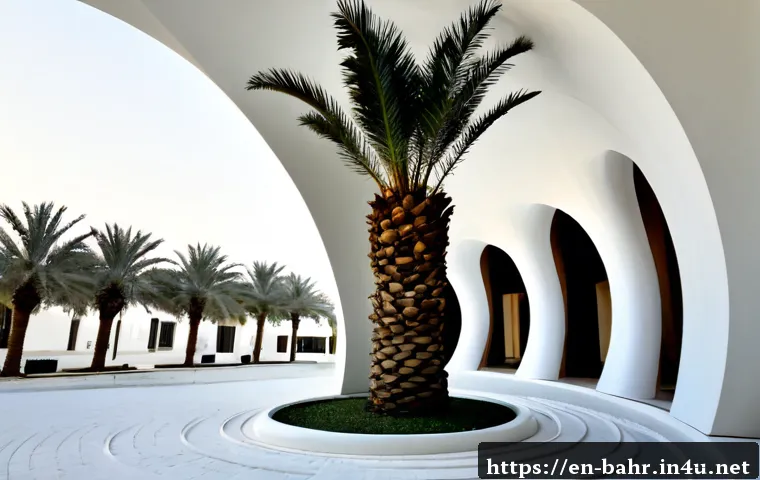
Modern architecture in Bahrain is easiest to explore by combining a central business area, a waterfront district, and a contemporary cultural venue in one flexible route.
For a short first visit, stay near the waterfront or a central urban area so skyline views, promenades, restaurants, and transport are easier to combine.
Architecture-focused travelers will get the most value from planning around access and light rather than trying to enter every striking building. A private architecture tour or private driver can be useful when your time is limited, when locations are spread apart, or when you want to avoid parking and heat-related delays.
Photographers should prioritize early or later daylight, while casual visitors can focus on public promenades and exterior viewpoints. Before booking, compare hotel location, airport transfer options, and whether a building is publicly accessible.
At a Glance
- For a short visit: Choose a central urban or waterfront area with visible towers, public walkways, and simple taxi access.
- For photography: Plan exterior views around softer daylight and allow time to move between separated districts.
- For a hotel-based itinerary: A waterfront stay can make skyline views and promenade walks easier without relying on frequent transport.
| Area Type | Architecture Value | Access and Walkability | Photography Potential | Best Stay Option |
|---|---|---|---|---|
| Central business district | High-rise forms, commercial façades, urban skyline | Useful for short stops; taxi access may be more practical than long walks | Strong for vertical compositions and city views | Central hotel for a compact urban itinerary |
| Waterfront district | Promenades, mixed-use developments, open skyline perspectives | Often easier for a relaxed walk, but shade and distances should be checked | Good for wide angles, reflections, and changing light | Waterfront hotel for convenient evening access |
| Cultural or performance venue area | Contemporary civic design and more deliberate architectural detail | Access depends on event schedules, entry rules, and security arrangements | Best for detail shots and design-focused viewing | Central hotel or private transfer for timed visits |
| Separated suburban development | Potentially distinctive, but less efficient for a first-time route | May require a taxi, rental car, or private driver | Can be worthwhile when the location is your main priority | Serviced apartment or hotel with convenient parking |
The Quick Answer: Where Bahrain’s Contemporary Architecture Is Concentrated
Bahrain’s contemporary architecture is best approached as a group of urban, waterfront, and cultural districts rather than one continuous sightseeing zone. A visitor with limited time should focus on an area where towers, public spaces, and hospitality services are close enough to combine. This keeps the day practical and leaves room for changing weather, transport delays, or restricted access.
Best Areas for a First-Time Visitor with Limited Time
For a first visit, a central business location is often the simplest base for seeing contemporary towers and urban streetscapes. A waterfront area can be a better choice if you want broader skyline views, more open space, and a less rushed walking experience. If design details matter more than variety, build your day around a cultural or performance venue and treat the surrounding city views as a second stop.
Do not assume that every eye-catching structure is open to visitors. Exterior viewing is usually the most dependable part of an architecture itinerary, while interiors may be private, ticketed, event-based, or accessible only by appointment.
What Can Usually Be Appreciated from Public Spaces
Public promenades, sidewalks, viewing points, and hotel-adjacent public areas can provide a satisfying look at Bahrain’s modern built environment. Look beyond a single tower: façade materials, shading devices, podium design, public landscaping, waterfront edges, and the relationship between buildings and roads often tell the fuller story.
Public access does not automatically mean unrestricted photography. Security staff, private-property rules, active events, and nearby residential areas can affect where you may stand or take photographs. If a location feels controlled or unclear, ask before setting up a camera or spending time near an entrance.
A Simple Half-Day Versus Full-Day Route
A half-day route works best when you select one central cluster and one waterfront stop. Start with urban towers, take a taxi to a promenade or open viewing area, then finish near your hotel or a dining area. This approach is efficient for travelers arriving after an airport transfer or fitting architecture into a broader Bahrain itinerary.
A full-day route can add a cultural venue, a second skyline viewpoint, and time for slower observation. Leave gaps between stops. Bahrain’s districts may look close on a map but can be less convenient on foot than expected, particularly in strong heat or when shade is limited.
Landmark Types to Look For: Skyline Towers, Waterfront Districts, and Cultural Venues
The most rewarding visits compare how different building types respond to business activity, public life, climate, and the coastline. Instead of chasing a long checklist of individual landmarks, use a few categories to make your route more focused.
High-Rise and Business-District Architecture
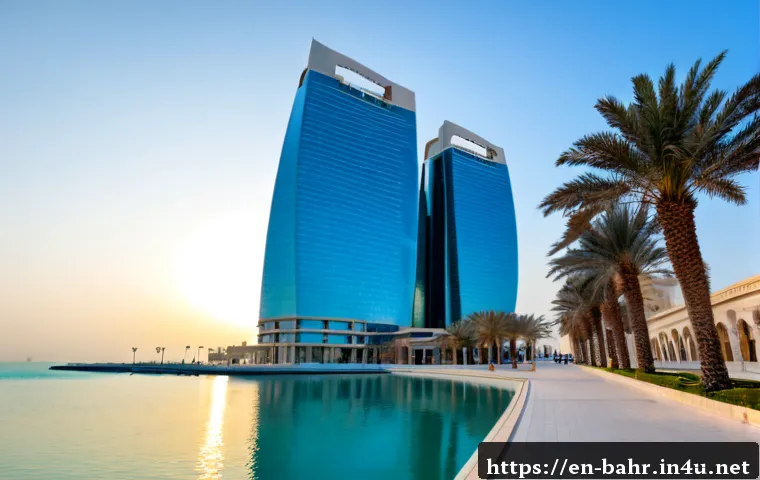
Business districts are where visitors can study Bahrain’s changing skyline at street level. Look for tower profiles, glass and metal finishes, deep façades, covered entrances, and the way office buildings meet retail spaces or transport routes. These areas are particularly useful if you have only a short window between hotel check-in, meetings, or a scheduled transfer.
They are not always ideal for leisurely walking. Roads, construction activity, office traffic, and limited shade can make a short taxi ride between viewpoints more comfortable than trying to cover everything on foot.
Waterfront Developments and Public Promenades
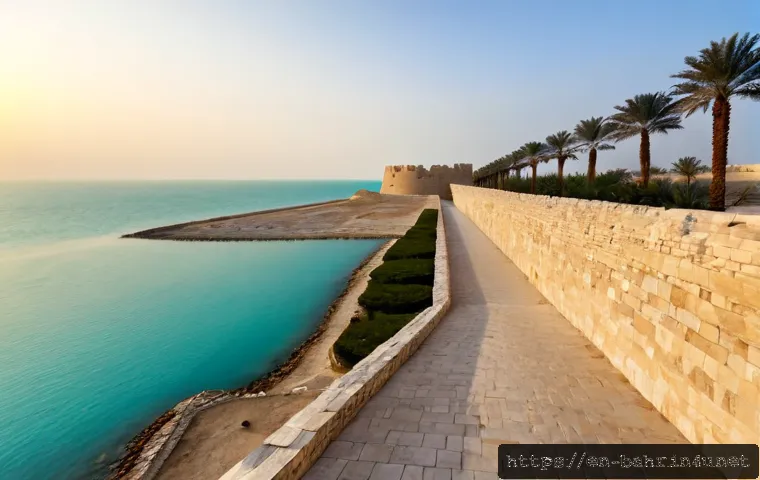
Waterfront districts offer a different architectural experience: more distance from the buildings, wider views, and an opportunity to see how contemporary development meets public space. A promenade can be especially useful for travelers who want skyline photographs without needing access to private lobbies or upper floors.
For images, waterfront locations can offer reflections and open compositions, but glare can be intense. Consider visiting at a time when the sun is lower, and carry water before committing to a long outdoor walk. Confirm whether a waterfront path is fully public and whether nearby developments limit access at certain points.
Cultural and Performance Spaces with Contemporary Design
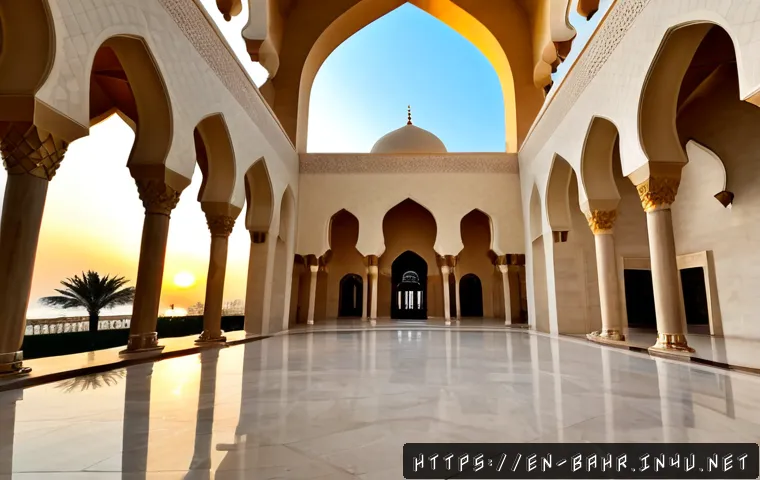
Cultural and performance spaces can provide the most intentional design experience, often with distinctive entrances, structural forms, landscaping, or public forecourts. They are a strong choice for architecture students and travelers who prefer details over skyline panoramas.
However, these venues require the most careful planning. Opening hours, ticket requirements, event schedules, bag rules, and photography permissions should be checked directly before visiting. Even when the exterior is visible, interior access may depend on the day’s program.
Compare Locations by Access, Photography, and Travel Value
A beautiful building is not necessarily an efficient stop. The better question is whether you can see it comfortably, photograph it appropriately, and connect it to the next part of your day without wasting time.
Walkability, Shade, Parking, and Taxi Access
When comparing architecture areas, assess walking distance, shade, road crossings, parking, and taxi availability. Waterfront promenades may feel more relaxed, while central business districts may reduce travel time between hotel, dining, and urban viewpoints. A rental car can suit travelers who want flexibility, but parking conditions and navigation should be considered in advance.
If you are traveling with older relatives, camera equipment, or limited tolerance for heat, use shorter walking segments. A hotel taxi, airport transfer provider, or private driver can turn several disconnected stops into a more manageable day.
Exterior Views Versus Interior Experiences
Free exterior viewing is the baseline for most modern architecture visits in Bahrain. Interior experiences are less predictable and may involve hotel spaces, ticketed venues, businesses, events, or appointment-only settings. Plan your itinerary so that a missed interior visit does not ruin the day.
A practical rule is to treat interiors as a bonus. Build your route around public views first, then add one venue or hotel space only after confirming entry conditions. This is especially important for photographers who need to know whether tripods, larger cameras, or commercial-looking equipment will be permitted.
When a Guided Architecture Tour, Private Driver, or Hotel Taxi May Add Value
A guided architecture tour may add value if you want design context, local orientation, or help identifying places that are difficult to understand from the street. It can also reduce uncertainty for travelers with only one day in Bahrain.
A private driver may be the better choice when your priority is efficient movement between distant districts, flexible photography stops, or a family itinerary with limited walking. A hotel taxi can be sufficient for a simple two-stop plan. Compare the route length, waiting arrangement, cancellation terms, and whether the service includes only transport or actual architectural guidance.
Plan the Visit: Timing, Transport, and Common Mistakes

Good planning matters more than an ambitious list of buildings. Bahrain’s contemporary architecture can be enjoyed at an easy pace when you account for daylight, heat, and the fact that public access varies by property.
Managing Heat, Glare, and the Strongest Daylight for Photographs
Open waterfront spaces and broad streets can feel exposed during the day. Bring water, use sun protection, and plan indoor breaks around the warmest part of your schedule. For photography, very bright light can flatten façades and create harsh reflections on glass, while lower-angle light may show form and texture more clearly.
Check conditions on the day rather than relying on a rigid plan. Haze, cloud cover, wind, and events can change the look and comfort of an architecture walk.
Checking Entry Rules and Respecting Private-Property Boundaries
Many contemporary buildings are working offices, hotels, residences, or event spaces. Be respectful at entrances, avoid blocking driveways, and do not assume that an attractive lobby is a public attraction. If you want to photograph a specific interior or enter a venue, ask staff or review the official visitor information first.
Permission-sensitive photography deserves extra care. Do not photograph people closely without consent, and be ready to move on if staff ask you not to take photographs in a particular area.
Avoiding Overpacked Itineraries Across Separated Districts
The common mistake is trying to visit too many districts in one afternoon. The result is often more time in transport and less time actually seeing the architecture. For most travelers, two main areas plus one optional venue is enough for a satisfying day.
If your hotel is outside your preferred sightseeing area, arrange transport deliberately. Compare an airport transfer, hotel transport, private driver, or taxi plan before arrival instead of making every journey a last-minute decision.
Choose a Stay Area Based on Your Architecture Itinerary
Your accommodation is part of the itinerary. The right Bahrain hotel location can reduce transport needs, improve early-morning or evening photography access, and make it easier to rest between outdoor stops.
Waterfront Hotels for Skyline and Promenade Access
A waterfront hotel can suit visitors who want open views, evening walks, and easier access to a promenade-based route. This is a practical choice for couples, photographers, and travelers who prefer to return to the hotel between outings. Check the actual view category and walking connection before booking, since not every waterfront property offers the same outlook or direct promenade access.
Central Business Locations for Short Urban Visits
A central hotel is often more efficient for travelers on a short city break, business trip, or architecture-focused stopover. It can place you closer to high-rise areas, restaurants, and taxis for a quick transition to the waterfront. It may be the more practical choice when you want urban views but do not need to spend most of the day outside.
When a Serviced Apartment or Private Transport Can Be More Practical
A serviced apartment may work well for longer stays, families, or visitors carrying camera gear who value more space and a flexible daily rhythm. If your chosen accommodation is farther from the main architecture areas, budget for transport rather than assuming every location will be easy to walk between.
Private transport can be particularly useful for a multi-district route. Before booking, compare vehicle size, waiting time, pickup flexibility, and whether the driver can accommodate short photo stops without turning the day into a rushed transfer schedule.
Selection Criteria and Comparison Summary
Choose your Bahrain architecture plan using these practical checks:
- Time available: Pick one central area and one waterfront area for a short visit.
- Primary goal: Choose skyline views, detailed cultural design, or relaxed promenade photography before selecting stops.
- Mobility needs: Consider shade, walking distance, parking, and taxi convenience.
- Access certainty: Treat public exteriors as reliable; verify interior access separately.
- Accommodation location: Compare waterfront and central hotels based on the route you actually plan to take.
- Transport value: Consider a private architecture tour or private driver when several separated districts are essential.
Before committing, compare hotel location, tour inclusions, and airport transfer conditions on the relevant booking or official information pages.
Final Thoughts
Bahrain’s modern architecture is more rewarding when viewed as part of the city’s wider urban and waterfront experience. A simple route with time for observation usually works better than an overloaded landmark list. Focus on public viewpoints first, then add interiors or guided experiences only where access has been confirmed. With the right hotel area and transport plan, even a short visit can include varied contemporary design.
Useful Things to Know
1. Carry water and plan breaks when exploring exposed outdoor areas.
2. Keep a flexible route in case access, events, or photography rules affect a planned stop.
3. Use taxis, hotel transport, or a private driver strategically when districts are separated.
4. Ask for permission when photographing interiors, entrances, staff, or private spaces.
Important Notes
Opening hours, ticket prices, renovation status, public access, and photography permissions can change. Hotel rates, guided tour availability, private-driver costs, and airport transfer options also vary by season, events, and booking conditions. Confirm details directly with the relevant venue, hotel, tour provider, or transport service before making a fixed itinerary.
Frequently Asked Questions
Q1. What is the best area in Bahrain to see modern architecture in one day?
A1. For one day, combine a central business area for high-rise views with a waterfront district for wider skyline perspectives and public walking space. Add a cultural venue only if its access and schedule are confirmed.
Q2. Is a private architecture tour in Bahrain worth the cost for first-time visitors?
A2. It can be worthwhile if you have limited time, want architectural context, or need help connecting separated locations efficiently. If you only want exterior views from one central area and one waterfront promenade, taxis or hotel transport may be enough.
Q3. Which Bahrain hotel areas are most convenient for skyline views and contemporary waterfront architecture?
A3. Waterfront hotel areas are generally the most convenient for promenade access and open skyline views, while central business locations are practical for short urban architecture visits. Compare the property’s actual setting, transport links, and view type before booking.