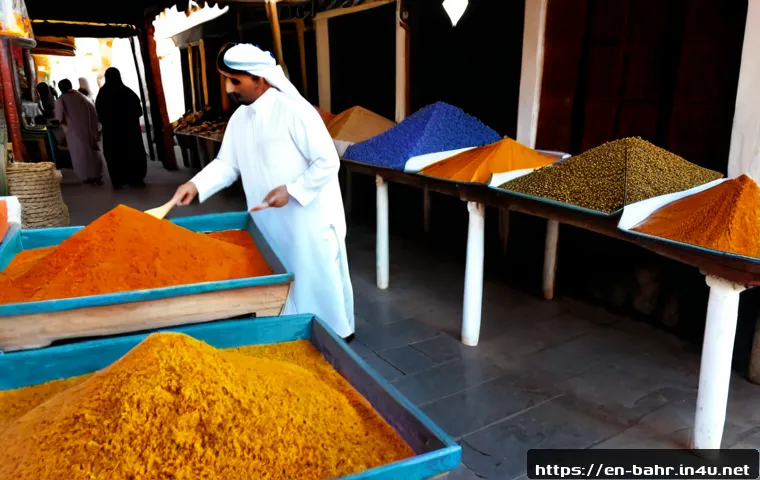
For small, exploratory purchases, Manama Souq can be useful for checking aroma and buying modest amounts; packaged supermarket spices are usually easier to compare by label and pack size.
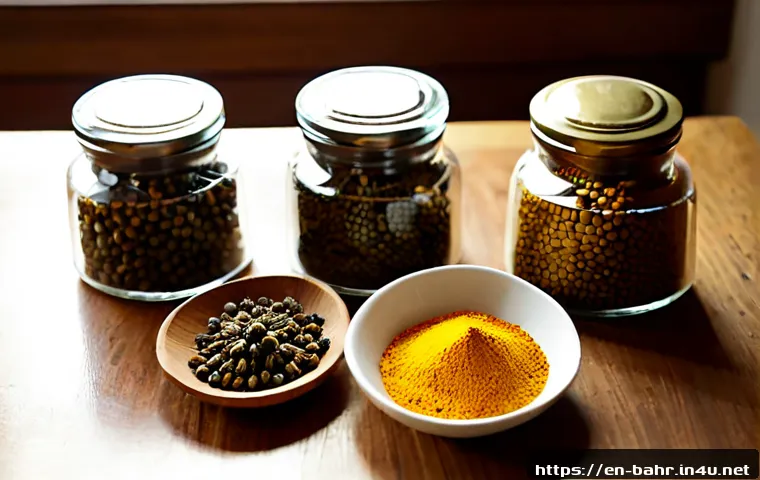
Wholesale sourcing makes more sense when a restaurant, caterer, or specialty-food business needs repeatable batches, bulk availability, and dependable replenishment.
Bahrain’s spice market reflects Gulf Arab, South Asian, Persian, and wider Middle Eastern food traditions, so the same spice can appear in several origins, grades, and blend styles.
The best value is rarely the lowest BHD shelf price alone—it is the option that delivers usable aroma, suitable packaging, and the right quantity for your turnover.
Buyers should compare freshness, traceability, storage, and consistency before choosing a retail or wholesale spice supplier.
At a Glance
- Souq shopping suits buyers who want to inspect loose spices and purchase small, flexible quantities.
- Packaged brands make label, ingredient, and pack-size comparisons easier for regular household buying.
- Wholesale spice sourcing is most relevant for food businesses that need consistent batches, bulk supply, and reliable delivery.
| Buying Route | Price Transparency | Freshness Checks | Traceability | Best Fit |
|---|---|---|---|---|
| Loose spices | Compare by weight, not only by the displayed amount in BHD | Often easier to assess aroma and visible condition before buying | May require asking about origin, storage, and replenishment | Tourists, home cooks, recipe testing, small specialty purchases |
| Packaged brands | Pack size and listed price can be compared more directly | Check seals, grind condition, and storage presentation | Labels may offer clearer ingredient and product information | Households, expatriate cooks, buyers seeking repeatability |
| Wholesale orders | Ask for a like-for-like quote by weight, format, and delivery terms | Request sample or batch details where appropriate | Confirm labeling, origin information, and supply consistency | Restaurants, caterers, cafés, meal-prep operations, retailers |
What Defines Bahrain’s Spice Buying Landscape?
Bahrain’s spice buying landscape combines traditional market browsing, modern grocery shopping, and food-service procurement. Bahraini cooking reflects Gulf Arab traditions alongside South Asian, Persian, and broader Middle Eastern influences. That variety helps explain demand for cumin, turmeric, cardamom, cinnamon, black pepper, dried lime, saffron, and prepared seasoning mixes.
For buyers, the important point is simple: the category is broad. A jar labeled as the same spice may differ in origin, harvest age, grinding date, storage history, and packaging format. Imported packaged foods and ingredients are an important part of retail availability in Bahrain’s small island economy, so comparing labels and supply terms can matter as much as choosing a familiar name.
The mix of traditional market shopping, supermarkets, and food-service sourcing
Manama Souq is a traditional commercial area known for food goods, herbs, spices, and other market products. It can suit a buyer who wants to see the product directly, compare aromas, or purchase a limited amount for a specific recipe. Loose buying is especially practical when you do not yet know how quickly a spice will be used.
Supermarket spice brands offer a different advantage: structured comparison. A sealed package can make it easier to review ingredient lists, serving format, net weight, and visible product information. This is often useful for home cooks who want a repeat purchase with less variation.
Restaurant procurement is a separate decision. A food-service buyer may need a wholesale spice supplier that can provide the same blend or spice format repeatedly, in a quantity that matches kitchen turnover. A lower unit quote has limited value if delivery timing, batch consistency, or availability does not fit the menu.
Why origin, freshness, and blend style matter more than a low shelf price
A low BHD price can be appealing, but it does not show how much useful flavor a buyer receives. Older ground spices may require more product to create the intended result, while an unsuitable blend can create inconsistency from one batch of food to the next. This does not mean a higher-priced product is always better. It means the comparison should be made on the same basis.
Ask whether you are comparing whole versus ground spice, a single ingredient versus a blend, or a small retail pack versus a larger food-service format. Whole spices generally retain their aroma longer than pre-ground spices when they are properly stored in sealed containers. That can change the practical value calculation for regular users.
Compare Loose Spices, Packaged Brands, and Wholesale Orders
The best channel depends on how much you will use, how predictable your demand is, and how much product information you need before purchasing. Start with the intended use rather than the cheapest apparent price.
Side-by-side criteria: aroma, labeling, price per gram, storage, and repeat availability
For loose spices, inspect the visible condition and aroma where appropriate. A buyer can also ask how the product is stored and whether the same item is replenished regularly. The trade-off is that details such as ingredient composition, origin, or packing date may need to be confirmed directly rather than read from a package.
For packaged spice brands, examine the seal, label, ingredient list, net weight, and storage condition. If you are comparing several BHD prices, calculate the cost per gram only after confirming that the products are alike. A packet of pure turmeric should not be compared as if it were identical to a turmeric-based seasoning blend.
For wholesale food sourcing, include operational factors in the comparison. A restaurant procurement review should cover available format, likely reorder process, batch consistency, delivery reliability, and whether the supplier can support the business’s normal usage pattern. Check the supplier’s official product details and commercial conditions before committing to recurring orders.
When buying in BHD bulk quantities can reduce cost—and when it creates waste
Bulk buying can reduce handling and packaging costs per unit, but only if the spice is used before its quality declines. This is especially relevant for pre-ground spices and blends, where aroma may be more sensitive to time and storage. Buying more than the kitchen can use may turn an apparently efficient wholesale order into avoidable waste.
A useful cost-per-use method is to compare more than the purchase total in BHD. Consider the pack weight, expected rate of use, amount likely to be discarded, and whether the product performs consistently in the recipe. A larger container may be economical for black pepper or cumin in a busy kitchen, while a smaller format may be safer for an occasional blend.
Do not assume that all bulk formats are equal. Confirm the packaging type, whether it can be resealed, and how the product should be stored after opening. A bulk purchase works best when portioning and sealed storage are already part of the operation.
How to Evaluate Quality Before You Buy
Quality assessment does not require a complicated scoring system. Focus on freshness signals, packaging integrity, product identity, and whether the format suits your storage capacity. These checks are useful for both home cooks and commercial buyers.
Freshness signals in whole spices, ground spices, saffron, and seasoning blends
With whole spices, look for a product that appears dry, clean, and appropriately stored. Whole cardamom, cinnamon, cumin, black pepper, and dried lime are often chosen by buyers who value longer aroma retention. The practical advantage depends on keeping the product in a sealed container away from unsuitable storage conditions.
For ground spices, check that the packaging is intact and that the product has not been exposed to conditions that could weaken aroma or create clumping. Because ground products have more exposed surface area, purchase quantity should be aligned with expected use.
Saffron and blended seasonings deserve extra comparison because the buyer is not evaluating only a familiar single-spice format. For saffron, confirm the product description and packaging details available at the point of sale. For blends, read the ingredient list carefully and determine whether the flavor profile fits the intended dish and customer preferences. A blend that works well for one menu may not match another recipe, dietary requirement, or regional expectation.
Packaging, ingredient labels, allergens, and storage questions to check
Before purchasing, review these points:
- Packaging seal: Is the container or pouch intact?
- Product identity: Is it a single spice, or a mixed seasoning product?
- Ingredient information: Does the label match your recipe and dietary needs?
- Storage: Was the product kept in conditions appropriate for dry spices?
- Format: Can the package be sealed again after opening?
- Reorder suitability: Can you obtain a similar product when the current pack is finished?
For a commercial kitchen, add a batch and replenishment conversation to this list. If origin claims, halal documentation, organic claims, food-safety certifications, or allergen details are important to your operation, confirm them with the seller or supplier for the specific product being purchased.
Sourcing Tips for Home Cooks, Restaurants, and Specialty Sellers

Different buyers should use different selection criteria. A household can prioritize variety and manageable pack size. A restaurant or specialty retailer should make consistency and replenishment part of the purchase decision from the beginning.
Small household purchases versus predictable food-service demand
Home cooks and expatriate shoppers may benefit from starting small, particularly with unfamiliar seasoning mixes. A small quantity reduces the risk of keeping a product that does not match the household’s cooking style. Loose purchases can be useful for recipe testing, while packaged options can be useful when you want a clear ingredient list and a repeatable format.
Restaurants and caterers should estimate demand by menu use rather than purchasing by habit. Consider how often the spice appears in each dish, whether recipes rely on a consistent blend, and how much dry storage is available. Predictable demand is the strongest reason to explore wholesale quantities.
Cafés and meal-prep businesses may need a middle path: quantities large enough to reduce frequent shopping, but small enough to protect freshness. The right order size is the amount that can be used efficiently, not simply the largest pack offered.
Supplier questions for cafés, caterers, meal-prep businesses, and retailers
Before selecting a wholesale spice supplier, ask practical questions that relate directly to your operation:
- Is the product available in the format and quantity we need?
- How is batch consistency handled for spices and seasoning blends?
- What packaging is used for bulk orders, and can it be resealed or portioned?
- What are the current minimum order, delivery, and lead-time terms?
- What product information is available for ingredients, origin, and relevant documentation?
- What happens if our usual item is temporarily unavailable?
These questions are more valuable than choosing solely from a quoted BHD total. They help a food business compare restaurant procurement options based on real kitchen risk: interrupted supply, inconsistent taste, excess inventory, or unclear product information.
Common Buying Mistakes That Raise Spice Costs
Many spice costs are created after the purchase. Waste, weak flavor, inconsistent blends, and repeated emergency buying can matter more than a modest difference in the original shelf price.
Overbuying ground spices, comparing unlike pack sizes, and ignoring blend consistency
One common mistake is buying a large volume of pre-ground spices without a clear usage plan. If the product loses practical value before it is used, the unit price advantage disappears. Another is comparing packages by total BHD price without converting the options to a common weight and product type.
Blend consistency is also important. A restaurant may create a recipe around a particular seasoning mix, then discover that a replacement has a different ingredient balance or aroma. Avoid treating all blends with similar names as interchangeable. Check ingredient details and test the product in the intended recipe before relying on it for a menu item.
When a higher-priced option may offer better usable value
A higher-priced option may offer better value if it reduces waste, provides a more suitable format, or supports consistent cooking results. For example, a sealed, clearly labeled package may be more useful than a lower-priced alternative when ingredient clarity and storage control are priorities. Likewise, whole spices may be a sensible choice for buyers who can grind or prepare them as needed.
The goal is not to pay more. It is to buy the format that produces the most reliable usable value for the intended recipe, customer base, and turnover rate.
Selection Criteria and Comparison Summary
Use this final checklist before choosing a market purchase, a packaged retail product, or a wholesale order:
- Supplier fit: Can the seller provide the product information and repeat availability you need?
- Packaging fit: Is the seal intact, the label suitable for your needs, and the format practical after opening?
- Bulk quantity: Will you use the product before freshness and aroma become a concern?
- Recipe fit: Is it whole, ground, single-origin where relevant, or a blend that suits the intended dish?
- Delivery needs: For business orders, are current delivery, lead-time, and replenishment terms acceptable?
- BHD comparison: Have you compared like-for-like weights, formats, and expected waste rather than only the shelf total?
For wholesale spice suppliers and restaurant procurement options, review the official product page or supplier details for current packaging, order conditions, and delivery information before placing a business order.
In Closing
Bahrain offers several practical ways to buy spices, from traditional market browsing to packaged retail shopping and food-service sourcing. The right choice depends on how much you need, how consistently you need it, and how much information you require before buying. Manama Souq can be useful for hands-on selection, while packaged products can simplify label comparisons. For commercial buyers, dependable replenishment and batch consistency should carry real weight in the decision.
Useful Information to Keep in Mind
Whole spices generally retain aroma longer than pre-ground spices when stored properly in sealed containers.
Compare by weight and format when reviewing BHD prices. A low total price does not automatically mean a lower cost per useful serving.
Seasoning blends are not interchangeable. Read ingredient information and assess whether a blend suits your recipe and customers.
Storage affects value. Buy quantities that match your actual rate of use and available storage practices.
Important Notes
Retail and wholesale prices, stock levels, delivery terms, minimum order quantities, and supplier lead times can change and should be confirmed directly. Availability of particular origins, certifications, organic claims, halal documentation, and food-safety records may differ by product and seller. This guide provides a comparison framework rather than a recommendation for any individual shop, brand, or supplier.
Frequently Asked Questions
Q1. Is it better to buy spices from Manama Souq or a supermarket in Bahrain?
A1. It depends on your purpose. Manama Souq can be useful when you want to inspect loose spices, compare aroma, and buy small amounts. A supermarket may be more convenient when you want sealed packaging, visible labels, ingredient details, and straightforward pack-size comparisons. Compare the same spice by weight, condition, and intended use rather than choosing by location alone.
Q2. How should a restaurant compare wholesale spice suppliers in Bahrain?
A2. Start with batch consistency, bulk format, storage practicality, and repeat availability. Then confirm current minimum order requirements, delivery terms, lead times, and the information available for ingredients and product origin. A restaurant procurement decision should also consider whether the supplier can support the kitchen’s normal usage pattern without creating excess stock or menu inconsistency.
Q3. Which factors affect the price of saffron, cardamom, and spice blends in BHD?
A3. The listed BHD price can be influenced by product format, origin, harvest age, grinding date, packaging, storage conditions, and whether the item is a single spice or a blend. For blends, ingredient composition and packaging size also matter. Compare equal weights and similar product types, then consider expected freshness and waste before deciding which option offers better value.