Bahrain has three UNESCO World Heritage properties: Qal’at al-Bahrain, the Pearling, Testimony of an Island Economy property in Muharraq, and the Dilmun Burial Mounds.
For most first-time visitors, Qal’at al-Bahrain is the clearest starting point; the Pearling Path suits walkers and architecture lovers, while the Burial Mounds are the strongest choice for archaeology-focused travelers.
The best format depends less on finding the cheapest tour and more on your available time, comfort with independent transport, and interest in historical explanation.
A self-guided visit can work well for Qal’at al-Bahrain and parts of Muharraq, while a private driver or licensed local guide can make a scattered archaeological itinerary easier to manage.
Check current access, opening arrangements, photography rules, and restoration notices before setting out. Travel costs are normally quoted in Bahraini dinar (BHD), but transport and tour inclusions can vary substantially.
At a Glance
- Qal’at al-Bahrain is the best all-round introduction to Bahrain’s ancient Dilmun history, archaeology, and fort heritage.
- The Pearling Path in Muharraq is best for a slower walking visit focused on urban heritage and Bahrain’s maritime economy.
- The Dilmun Burial Mounds are best for travelers who understand that archaeological landscapes may have limited or changing public access.
| UNESCO property | Best for | Planning scale | Transport consideration | When a guide adds value | Likely spending categories in BHD |
|---|---|---|---|---|---|
| Qal’at al-Bahrain | First visits, fort architecture, Dilmun context | Works as a focused half-day stop or part of a wider day | Taxi, rental car, or arranged driver can be practical | Useful for archaeological interpretation and historical context | Transport, museum-related costs if applicable, refreshments, guide fee |
| Pearling, Testimony of an Island Economy | Walking heritage, architecture, urban and maritime history | Best approached at an unhurried pace | Plan arrival and pickup points around Muharraq | Useful for connecting individual buildings, waterfront areas, and pearling history | Transport, food stops, museum-related costs if applicable, guide fee |
| Dilmun Burial Mounds | Ancient archaeology enthusiasts | Allow flexibility because access conditions may differ by area | Private driver or rental car may simplify visits across separate areas | Especially useful when access, context, and route planning are unclear | Transport, driver time, guide fee, possible entry-related costs if applicable |
The Quick Answer: Bahrain’s Three UNESCO Sites and What Makes Each One Different
Bahrain’s three UNESCO properties tell different parts of the country’s long history. Qal’at al-Bahrain, inscribed in 2005, brings together a historic fort and archaeological evidence linked with the ancient Dilmun civilization. The Pearling, Testimony of an Island Economy property, inscribed in 2012, interprets Bahrain’s pearling heritage through Muharraq buildings, waterfront areas, oyster beds, and related cultural sites. The Dilmun Burial Mounds, inscribed in 2019, are ancient funerary landscapes spread across several archaeological areas.
The key planning point is simple: these are not three versions of the same attraction. Choose based on whether you want a concentrated archaeological visit, a heritage walk through an urban setting, or a broader archaeological landscape that may require more transport planning.
Best for first-time visitors: Qal’at al-Bahrain
Qal’at al-Bahrain is often the easiest first choice because the fort, settlement mound, and museum context give visitors a clear historical framework. It is a good option if you have limited time but want one heritage experience that feels substantial. A guide is not essential for seeing the site, but it can help explain why the layers of settlement matter.
Best for walking heritage and urban history: the Pearling Path
The Pearling property is a better match for travelers who enjoy noticing details as they walk: historic buildings, the relationship between streets and waterfront spaces, and the story of a maritime economy. Do not treat it as a quick photo stop. Build in pauses, use a comfortable walking pace, and plan a pickup point if you are using a taxi or private driver.
Best for ancient archaeology enthusiasts: Dilmun Burial Mounds
The Burial Mounds are compelling for visitors interested in ancient funerary landscapes rather than a conventional museum-style visit. Expectations matter here. Not every mound area may be open for close public access at all times, so confirm the practical visiting situation before you book a driver or shape a day around the site.
Compare the Sites Before You Go: Time, Access, Cost Categories, and Guide Value
Start with your available time and your tolerance for logistical decisions. A heritage itinerary can be independent, but Bahrain’s sites reward a little advance planning—especially when midday heat, separate archaeological areas, or variable site access are involved.
Half-day versus full-day itinerary potential
Qal’at al-Bahrain can fit naturally into a focused half-day plan. Muharraq’s Pearling heritage can also be explored in a half-day, but it benefits from a slower rhythm if you want to appreciate the route rather than rush between points. The Burial Mounds may require the most flexible schedule because they are spread across multiple archaeological areas and access expectations can change.
A full day makes sense when you want to combine two heritage themes rather than force all three into a tight timetable. Trying to see everything quickly can mean more time in transit, less time understanding the places, and greater exposure to the heat.
Self-guided visit, taxi, rental car, or private driver
Self-guided travel suits travelers comfortable with researching current conditions and arranging each journey as they go. A taxi can be convenient for a single destination, though return arrangements should be considered before you arrive. A rental car offers flexibility for a multi-stop day, while a private driver may be easier when combining separate areas or when mobility and heat are concerns.
When comparing transport options, ask what the quoted BHD amount actually covers: pickup location, waiting time, multiple stops, return travel, and any changes to the planned route. The lowest headline price may not be the best value if it does not match your itinerary.
When a guided cultural tour is worth paying for
A guided cultural tour is most useful when explanation is your priority. At Qal’at al-Bahrain, a guide can connect the fort with the archaeological evidence of Dilmun. In Muharraq, a guide can help turn separate buildings and waterfront elements into a coherent pearling story. For the Burial Mounds, local guidance can be particularly helpful if you need a realistic route and clearer expectations about responsible viewing.
If you already prefer independent museums and heritage walks, a self-guided route may be enough. Before booking, compare the guide’s language, group size, transport, pickup arrangement, site list, and time at each stop—not only the advertised tour price.
Qal’at al-Bahrain: Fort, Settlement Mound, and Museum Context
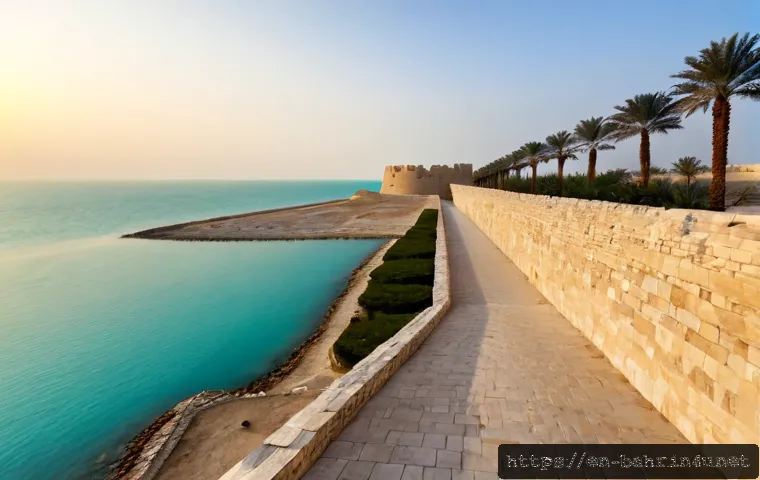
Qal’at al-Bahrain preserves archaeological evidence associated with the ancient Dilmun civilization and includes a historic fort. Even without a guide, visitors can understand that this is more than a single fort viewpoint: it is a site where archaeological layers and later architecture meet. Read the available interpretation carefully and give yourself time to look beyond the most obvious fort sections.
What visitors can understand from the site without a guide
An independent visitor can appreciate the visible fort, the scale of the settlement mound, and the site’s connection with Bahrain’s ancient past. A guide becomes more valuable if you want help interpreting chronology, excavation evidence, or the relationship between the mound and fort. Check whether museum access, ticketing, or visitor procedures have changed before travel.
Timing, heat, walking conditions, and respectful photography
Plan around the heat rather than assuming an outdoor archaeological visit will feel effortless at every hour. Bring water, wear practical footwear, and allow a little more time than a map suggests. Photography permissions can vary, and restoration-related work may affect parts of the experience, so confirm rules on arrival and avoid crossing barriers or climbing on archaeological remains.
Muharraq’s Pearling Heritage: Planning a Walk Through Bahrain’s Maritime Past
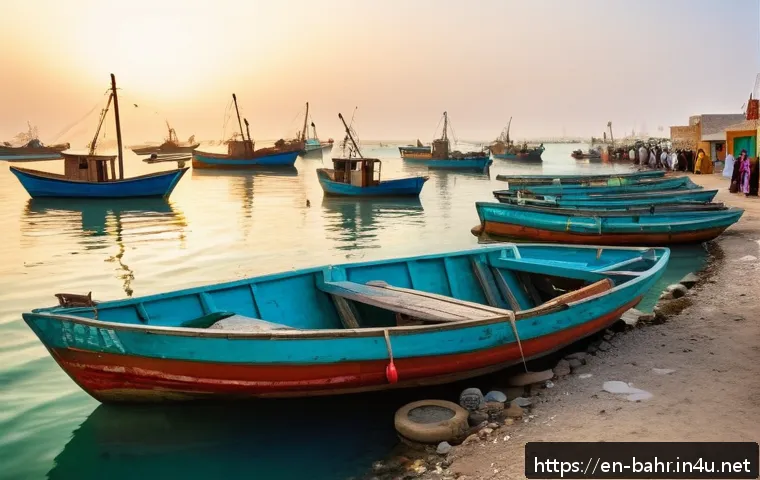
The Pearling, Testimony of an Island Economy property is centered in Muharraq. Its significance comes from the connected story of buildings, waterfront areas, oyster beds, and associated cultural sites—not from one isolated monument. That makes it especially rewarding for visitors who enjoy urban history and are happy to explore with patience.
How to approach the heritage route at a comfortable pace
Think of the route as a sequence of discoveries rather than a checklist. Choose a manageable section, leave room for rest, and avoid scheduling it during the most uncomfortable outdoor conditions if possible. If you use a driver, agree on where you will be dropped off and collected, since the value of a walking heritage visit comes from time on foot rather than constant vehicle transfers.

Combining Muharraq with food, museums, and waterfront stops
Muharraq can work well as part of a cultural day because the property is tied to an urban environment. You may wish to combine the heritage walk with food, museums, or waterfront time, but confirm individual opening arrangements first. A guide is most useful when you want those stops to support the pearling narrative instead of becoming unrelated additions.
Dilmun Burial Mounds: Visiting an Archaeological Landscape Responsibly
The Dilmun Burial Mounds are ancient funerary landscapes distributed across several archaeological areas in Bahrain. Their character is different from a contained attraction with one entrance, one route, and one predictable viewing experience. Visiting responsibly means recognizing that these landscapes are archaeological places, not unrestricted parks.
Why access expectations differ from a conventional museum visit
Access may vary by area, and not every burial-mound location may be open for close public access at all times. That does not reduce the site’s importance; it simply changes how you should plan. Be prepared for viewing conditions, site boundaries, or restoration measures that differ from what you expect at a museum or fortress.
What to check before arranging transport
Before committing to a taxi, rental car, or private driver, confirm the intended areas, current access rules, photography permissions, and any restoration-related closures. Ask a tour provider or driver whether the route includes waiting time and whether they understand which areas can be visited respectfully. This is one case where a little verification can prevent a wasted journey.
Choosing a Heritage Visit Format: Self-Guided, Driver, or Guided Tour
The best choice is the one that matches your pace and priorities. Independent travelers may value flexibility, while travelers with a short stay may prefer a driver or cultural tour that reduces route planning. There is no need to book a guide for every site, but there are clear situations where local interpretation or transport coordination adds practical value.
Decision checklist for budget, mobility, language, and available time
Choose a self-guided route if you are comfortable checking current visitor information, managing taxis or a rental car, and reading site interpretation independently. Consider a private driver if you want several stops without repeatedly arranging transport. Consider a licensed local guide if historical explanation, language support, or a connected cultural itinerary matters most.
For visitors with limited mobility or sensitivity to outdoor heat, keep walking distance, shade, rest opportunities, and pickup access in mind. These practical details may matter more than adding one extra stop.
Comparing total value rather than only the lowest advertised price
Compare what is included: transport, pickup point, waiting time, guide language, number of heritage stops, and whether entry or museum-related costs are separate. A Bahrain travel package may be convenient, but it should still show enough detail for you to judge whether it fits your interests. Always confirm the current terms directly with the provider before payment.
Selection Criteria and Comparison Summary
Use these final checks before choosing a heritage tour, driver, or self-guided route:
- Historical focus: fort and Dilmun context, pearling and urban life, or funerary archaeology.
- Time: choose one strong focus rather than rushing all three properties.
- Transport: decide whether taxis, rental car flexibility, or a private driver best fit your stops.
- Comfort: consider heat, walking pace, mobility needs, and rest time.
- Guide value: pay for interpretation and coordination when those are meaningful to you.
For current opening details, access conditions, and tour inclusions, check the relevant official information or provider page before confirming your plan.
Closing Thoughts
Bahrain’s UNESCO properties work best when approached as three distinct cultural experiences. Qal’at al-Bahrain offers the most direct introduction, Muharraq rewards a thoughtful walk, and the Dilmun Burial Mounds call for careful expectations and advance checks. A well-paced itinerary will usually feel more satisfying than trying to collect every site in one rushed day.
Useful Things to Know
1. Use BHD as your comparison currency when reviewing driver quotes, cultural tours, and package inclusions.
2. Confirm opening hours, entry procedures, and photography rules close to your visit date.
3. Outdoor heritage visits require practical footwear, water, and realistic heat planning.
4. Treat archaeological boundaries and access restrictions as part of responsible travel.
Important Notes
Opening hours, ticket prices, access rules, guided-tour availability, photography permissions, and restoration closures can change. Transport costs and private-driver rates also vary by season, provider, group size, pickup point, waiting time, and included services. Confirm all current details directly before travel or booking.
Frequently Asked Questions
Q1. How many UNESCO World Heritage Sites are in Bahrain?
A1. Bahrain has three UNESCO World Heritage properties: Qal’at al-Bahrain, Pearling, Testimony of an Island Economy, and the Dilmun Burial Mounds.
Q2. Is a guided tour worth it for Bahrain’s archaeological and pearling heritage sites?
A2. It can be worth it if you want deeper historical interpretation, help with transport planning, or a connected explanation across several locations. Independent visitors may prefer self-guided travel for Qal’at al-Bahrain or parts of Muharraq, while a guide can be especially useful for understanding the Burial Mounds and the wider pearling story.
Q3. Can all three Bahrain UNESCO sites be visited in one day?
A3. It may be possible to include all three in a single day, but it can be rushed because the experiences are different and the Burial Mounds are spread across several archaeological areas. A more comfortable plan is to prioritize one or two properties and confirm current access before arranging transport.