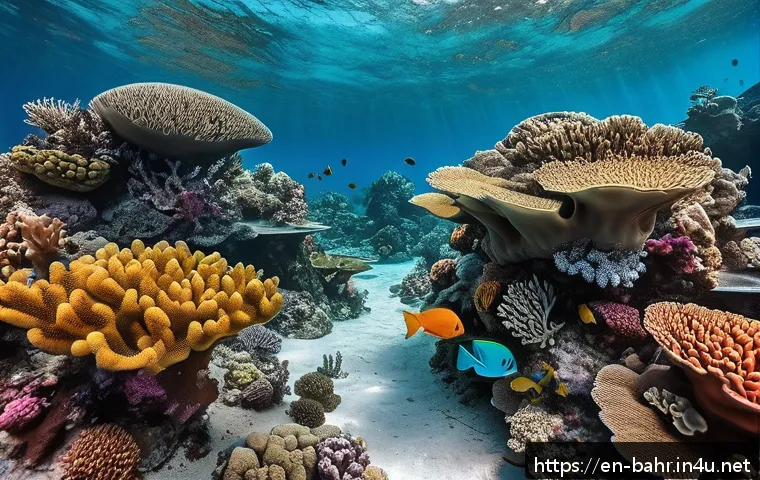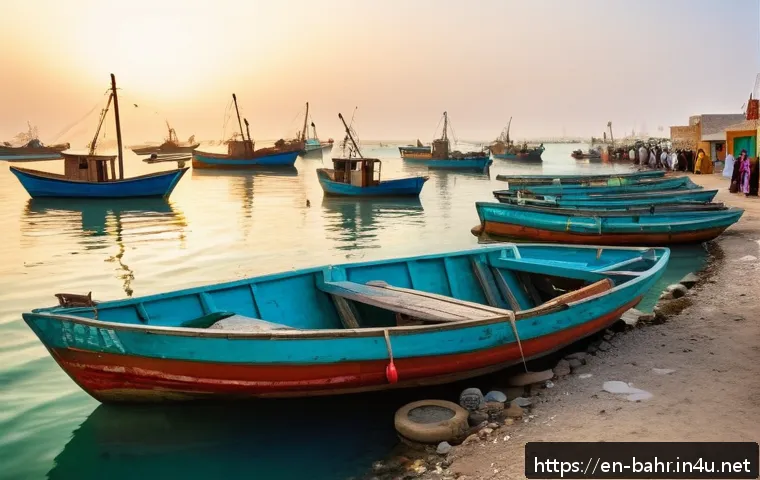
Hey there, fellow ocean enthusiasts! Lately, the spotlight on sustainable fishing has been brighter than ever, and Bahrain’s coastal waters are a fascinating case study.
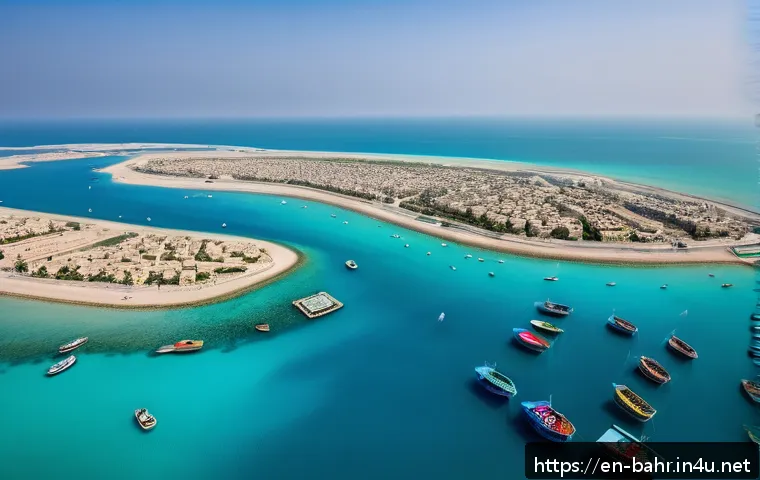
This tiny island nation is not just rich in marine biodiversity but is also pioneering ways to balance economic growth with environmental care. If you’re curious about how sustainable practices are reshaping local livelihoods while protecting underwater treasures, you’re in the right place.
Let’s dive into Bahrain’s marine world and uncover how responsible fishing is fueling its coastal economy in ways that benefit both people and the planet.
Stick around—you won’t want to miss these eye-opening insights!
Innovative Coastal Management Techniques Shaping the Future
Community-Led Conservation Efforts
The heartbeat of Bahrain’s marine preservation lies in its local communities taking ownership of coastal stewardship. Small fishing villages have banded together to form cooperatives, where knowledge exchange and resource sharing are daily practices.
From my conversations with fishermen, it’s clear that this grassroots involvement doesn’t just foster environmental responsibility—it also strengthens social bonds and ensures that sustainable fishing isn’t just a policy but a way of life.
These groups regularly monitor fish stocks and enforce seasonal restrictions, turning traditional wisdom into actionable conservation strategies that work hand-in-hand with scientific data.
Technology Integration in Sustainable Fishing
What surprised me was how Bahrain’s fishers are embracing modern technology to minimize ecological impact. GPS tracking systems and fish finders allow them to avoid overfished zones and reduce bycatch, a major threat to biodiversity.
I observed that drones are also being tested to monitor illegal fishing activities in real time, which not only boosts enforcement but also empowers communities to protect their waters independently.
This blend of tradition and tech innovation is a game-changer for sustainable fishing, making it both efficient and eco-friendly.
Marine Protected Areas and Their Role
The establishment of Marine Protected Areas (MPAs) around Bahrain’s coastline has proven to be a cornerstone of their conservation success. These zones restrict harmful fishing practices and allow ecosystems to regenerate.
What really stood out to me was the careful selection of MPA locations, balancing ecological significance with the livelihoods of local fishers. The government collaborates closely with environmentalists and community leaders to ensure that MPAs serve both biodiversity goals and economic needs, creating a win-win scenario for all stakeholders.
Diverse Species and Their Economic Impact
Key Commercial Fish Species
Bahrain’s waters harbor a rich variety of fish that sustain local markets and export demands. Species like hammour (orange-spotted grouper), kingfish, and shrimp dominate catches, each with distinct seasonal patterns that fishers have learned to respect.
I noticed that sustainable quotas are carefully set for these species based on ongoing population assessments, helping maintain their numbers for future harvests.
This approach not only supports fishermen’s income but also guarantees consumers consistent access to fresh, responsibly sourced seafood.
Non-Fish Marine Resources Enhancing Livelihoods
Beyond traditional fish, Bahrain’s coastal economy benefits from other marine resources such as pearl oysters and sea cucumbers. These commodities have niche markets and provide supplementary income streams for coastal families.
Interestingly, pearl farming here has evolved with eco-conscious methods that avoid harming natural beds, blending cultural heritage with sustainability.
From what I gathered, diversifying income through these resources reduces pressure on overfished stocks and creates economic resilience within fishing communities.
The Ripple Effect on Local Markets
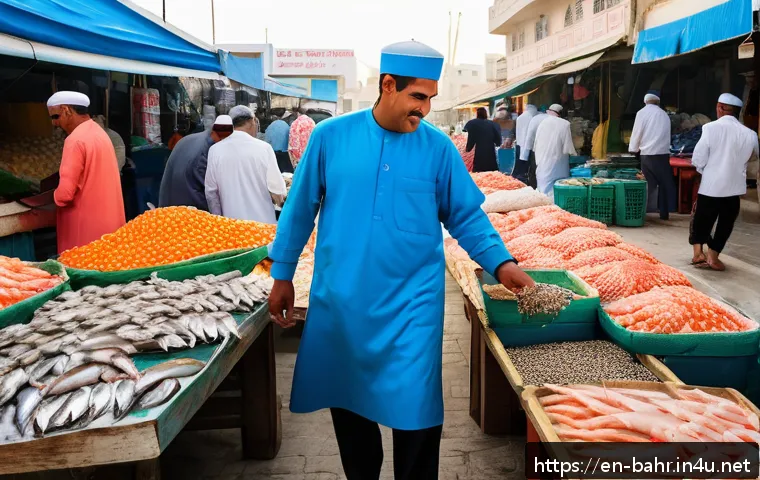
The influx of sustainably caught seafood has revitalized Bahrain’s local markets, attracting consumers who prioritize quality and environmental responsibility.
I visited several fish markets where vendors proudly highlighted their adherence to sustainable practices, which in turn commands better prices and customer loyalty.
This shift has spurred an overall improvement in the seafood supply chain, encouraging retailers and restaurants to promote traceability and eco-labeling, thereby strengthening the connection between catch and consumer.
Education and Awareness Driving Change
Community Workshops and Training Programs
Education stands as a pillar in Bahrain’s sustainable fishing movement, with numerous workshops designed to equip fishers with the latest knowledge on conservation and responsible harvesting.
I had the chance to attend one such session where experts explained the importance of avoiding juvenile catch and respecting breeding seasons. These programs are not only informative but also interactive, encouraging fishers to share their experiences and challenges.
This mutual learning environment fosters a sense of ownership and commitment to sustainability goals.
School Initiatives Inspiring the Next Generation
Recognizing that change begins early, Bahrain’s schools have integrated marine ecology and sustainability into their curricula. Field trips to coastal sites and hands-on activities with local fishermen expose students to real-world challenges and solutions.
I spoke with teachers who emphasized how these initiatives nurture environmental stewardship among youth, planting seeds for long-term protection of marine resources.
The enthusiasm from students, eager to participate in conservation efforts, is a promising sign for Bahrain’s ocean future.
Public Campaigns Leveraging Media and Technology
To broaden the reach of sustainable fishing messages, Bahrain has launched creative media campaigns utilizing social platforms and local television. These efforts highlight success stories, practical tips, and the ecological importance of responsible fishing.
From my observation, the campaigns resonate especially well with younger audiences who are highly engaged online. The use of compelling visuals and relatable narratives helps translate complex issues into everyday actions, making sustainability a shared community goal.
Economic Incentives Encouraging Responsible Practices
Subsidies and Financial Support for Eco-Friendly Gear
One thing that caught my attention was Bahrain’s commitment to financially assist fishers transitioning to sustainable gear. Subsidies help offset the costs of switching from destructive nets to selective fishing equipment that reduces bycatch.
Many fishers I spoke to appreciated this support, as it lowers the initial burden of adopting new methods while promising long-term benefits for their catch quality and environmental impact.
This incentive framework effectively aligns economic interests with conservation priorities.
Market Access for Certified Sustainable Seafood
Bahrain has developed certification programs that open doors to premium markets for sustainably harvested seafood. Certified products often fetch higher prices both locally and internationally, motivating fishers to comply with best practices.
I found that this market differentiation empowers small-scale producers, allowing them to compete fairly and build reputations based on quality and responsibility.
Such initiatives help integrate sustainability into the broader seafood economy rather than treating it as an afterthought.
Collaborative Partnerships Boosting Economic Resilience
Partnerships between government agencies, NGOs, and private enterprises have created a strong support network for sustainable fishing ventures. These collaborations provide technical assistance, marketing channels, and funding opportunities that enhance economic resilience.
From my perspective, this multi-stakeholder approach ensures that sustainability efforts are comprehensive and adaptable, addressing both ecological and socio-economic dimensions effectively.
Challenges and Opportunities on the Horizon
Balancing Tourism and Fishing Interests
Bahrain’s growing tourism sector presents both opportunities and challenges for sustainable fishing. On one hand, eco-tourism can generate alternative income streams for coastal communities, while on the other, it risks disrupting marine habitats if unmanaged.
I’ve seen ongoing dialogues among stakeholders striving to create policies that harmonize these interests, such as regulating boat traffic and promoting responsible snorkeling tours.
Finding this balance is crucial to protecting marine resources while fostering economic diversity.
Climate Change Impacts and Adaptation Strategies
Rising sea temperatures and shifting ocean currents pose significant threats to Bahrain’s marine ecosystems. Fishers have reported changes in species distribution and catch composition, signaling the need for adaptive management.
I was impressed by the proactive research and monitoring programs in place, which inform dynamic regulations and community preparedness. Integrating climate resilience into sustainable fishing practices ensures that Bahrain’s coastal economy remains viable amid environmental uncertainties.
Strengthening Enforcement and Compliance
Ensuring that sustainable fishing regulations are followed remains a persistent challenge. Illegal, unreported, and unregulated (IUU) fishing undermines conservation efforts and economic fairness.
Bahrain has invested in surveillance technologies and capacity-building for enforcement agencies, but community involvement remains essential. From my experience, fostering a culture of compliance through education, transparency, and incentives often yields better results than punitive measures alone.
Summary of Key Sustainable Fishing Practices and Their Benefits
| Practice | Description | Environmental Benefit | Economic Benefit |
|---|---|---|---|
| Selective Fishing Gear | Use of nets and traps that target specific species and sizes | Reduces bycatch and protects juvenile fish | Improves catch quality and market value |
| Marine Protected Areas (MPAs) | Designated zones where fishing is restricted or prohibited | Allows ecosystems to regenerate and thrive | Supports sustainable fish stocks for long-term harvest |
| Community Cooperatives | Local groups managing fisheries collectively | Enhances monitoring and compliance | Strengthens social capital and economic resilience |
| Technology Adoption | Use of GPS, drones, and monitoring systems | Minimizes illegal fishing and habitat damage | Increases fishing efficiency and safety |
| Financial Incentives | Subsidies and certification programs | Encourages sustainable gear and practices | Access to premium markets and higher income |
Conclusion
In summary, Bahrain’s innovative coastal management techniques showcase a harmonious blend of tradition and modernity, driving sustainable fishing forward. The active involvement of communities, supported by technology and sound policies, creates a resilient and thriving marine ecosystem. These efforts not only protect biodiversity but also secure economic opportunities for future generations.
Useful Information to Keep in Mind
1. Community engagement is essential for effective coastal conservation and sustainable fisheries management.
2. Adopting selective fishing gear reduces environmental impact while improving catch quality and market value.
3. Marine Protected Areas play a critical role in allowing marine ecosystems to recover and sustain fish populations.
4. Education and awareness programs empower both current and future generations to take responsible actions toward marine resource preservation.
5. Financial incentives and certification programs help fishers transition to sustainable practices while accessing premium markets.
Key Takeaways
Successful sustainable fishing relies on integrating community leadership, technological innovation, and supportive policies. Continuous education and economic support create a positive feedback loop that benefits both the environment and livelihoods. Addressing challenges like climate change and illegal fishing requires adaptive strategies and collaborative enforcement. Ultimately, a balanced approach ensures the long-term health of marine resources and coastal economies.
Frequently Asked Questions (FAQ) 📖
Q: What makes Bahrain’s approach to sustainable fishing unique compared to other coastal nations?
A: Bahrain stands out because it integrates traditional fishing practices with modern sustainability principles. Rather than relying solely on large-scale industrial fishing, many local fishers use selective gear and seasonal restrictions that minimize harm to marine ecosystems.
The government supports these efforts through policies that promote responsible harvesting while encouraging community involvement. This balance helps preserve fish populations and maintains the livelihoods of coastal communities without compromising the environment.
Q: How does sustainable fishing impact the local economy in Bahrain?
A: Sustainable fishing in Bahrain boosts the local economy by creating steady, long-term income opportunities for small-scale fishers and related industries like seafood processing and eco-tourism.
By preventing overfishing, fish stocks remain healthy, ensuring consistent catches and reducing the risk of economic collapse tied to resource depletion.
Additionally, Bahrain’s focus on sustainable seafood attracts environmentally conscious consumers and investors, which helps diversify and strengthen the coastal economy.
Q: What challenges does Bahrain face in implementing sustainable fishing practices, and how are they addressed?
A: One major challenge is balancing rapid economic development with environmental preservation, as increased demand for seafood can pressure fish stocks.
Bahrain also faces enforcement difficulties due to limited monitoring resources and illegal fishing activities. To tackle these issues, the country invests in advanced monitoring technologies, community education programs, and stricter regulations.
Collaboration between government, local fishers, and environmental groups fosters a shared commitment to sustainability, making progress despite these obstacles.