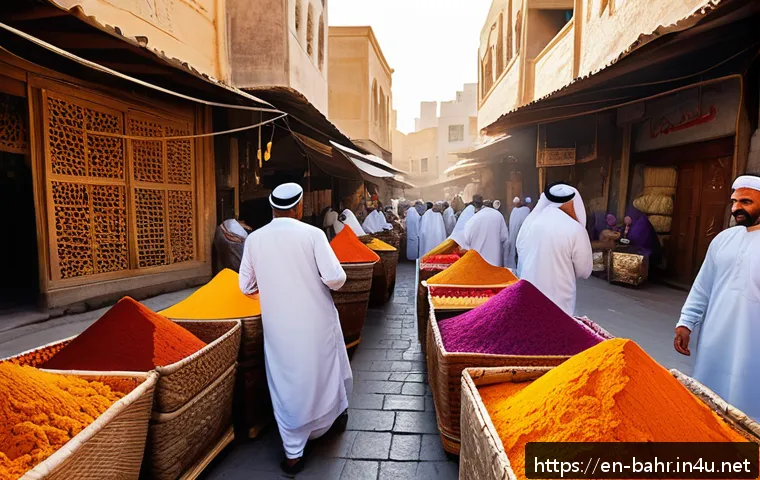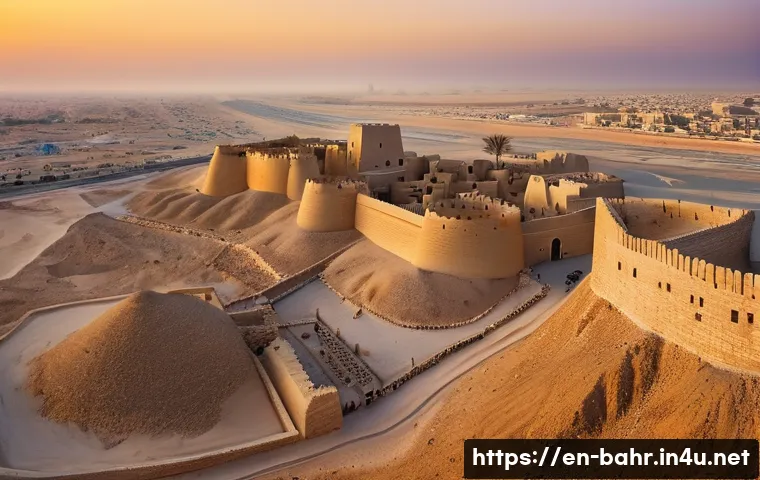
Bahrain’s rich history is a treasure trove waiting to be explored, revealing a fascinating blend of ancient civilizations and modern developments. From its strategic position in the Persian Gulf to its role as a hub of trade and culture, Bahrain offers insights into human progress over millennia.
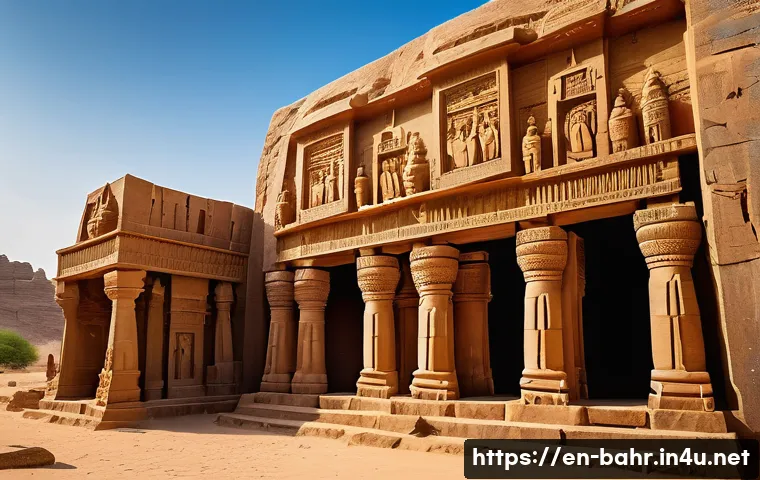
Archaeological discoveries have uncovered layers of stories that connect the island to Mesopotamia, the Dilmun civilization, and beyond. These findings not only highlight Bahrain’s importance in regional history but also showcase its unique cultural heritage.
If you’re curious about how Bahrain’s past shapes its present, let’s dive deeper and uncover the remarkable details together!
Unveiling Bahrain’s Ancient Trade Networks
Connections with Mesopotamian Civilizations
Bahrain’s strategic location in the Persian Gulf made it a vital link between ancient Mesopotamia and the wider Arabian Peninsula. Archaeological excavations have uncovered artifacts such as pottery, seals, and inscriptions that directly connect Bahrain to the Sumerians and Babylonians.
These finds suggest that Bahrain was not just a passive recipient of goods but an active participant in trade routes dating back over 4,000 years. What fascinated me the most was the evidence of cultural exchange—items crafted in Mesopotamia found alongside local Dilmun artifacts highlight a two-way flow of goods, ideas, and religious beliefs.
It’s like peeling back layers of history to see a bustling marketplace where merchants and travelers from distant lands once converged.
The Role of Dilmun as a Trade Hub
Dilmun, often referred to as the “Land of the Blessed,” was centered around Bahrain and neighboring islands. This ancient civilization thrived by controlling key maritime routes, acting as an intermediary between Mesopotamia, the Indus Valley, and beyond.
The Dilmun seals and burial mounds reveal a sophisticated society with extensive trading prowess. Personally, reading about Dilmun’s role made me appreciate how early globalization looked—long before modern concepts of international trade existed, Bahrain was already a melting pot of goods, cultures, and innovation.
The discovery of copper ingots and timber from distant regions in Bahrain’s archaeological sites vividly illustrates the island’s importance in ancient commerce.
Trade Goods and Economic Impact
The array of goods traded through Bahrain was incredibly diverse, ranging from precious metals and textiles to spices and pearls. Pearling, in particular, has been a cornerstone of Bahrain’s economy for centuries, predating oil discoveries by millennia.
The economic prosperity brought by trade supported the growth of urban centers and the development of infrastructure, including water management systems and fortifications.
I found it intriguing how Bahrain’s early economy set the foundation for its modern wealth, showing continuity and adaptation through ages. This economic history is crucial for understanding how Bahrain evolved from a small island civilization into a significant regional player.
Architectural Marvels Reflecting Bahrain’s Heritage
Ancient Fortresses and Defensive Structures
Exploring Bahrain’s ancient fortifications, such as Qal’at al-Bahrain, reveals the island’s strategic military importance throughout history. These structures were not only defensive but also administrative centers, reflecting complex governance systems.
Walking through these ruins, you can almost feel the tension of ancient conflicts and the determination to protect vital trade routes. The layered construction techniques used across centuries show how Bahrain adapted architectural styles to meet evolving threats and needs.
Personally, seeing these fortresses in person was a powerful reminder of the island’s resilience and strategic mindset.
Religious and Cultural Sites
Bahrain’s archaeological landscape is dotted with temples, burial grounds, and ceremonial sites that shed light on the spiritual life of its ancient inhabitants.
The Barbar Temple complex, dating back to the Dilmun period, is one of the oldest religious structures in the region. Its intricate stone carvings and layout suggest a deep connection with celestial events and fertility rites.
I found it fascinating that these ancient beliefs still echo in modern Bahraini culture, showcasing a continuity of identity. These sacred sites also help scholars trace the evolution of religious practices across millennia, highlighting Bahrain as a cultural crossroads.
Urban Planning and Water Management
One of the lesser-known but remarkable aspects of Bahrain’s ancient civilizations is their sophisticated approach to urban planning and water management.
Archaeologists have uncovered evidence of complex irrigation systems, wells, and drainage networks that supported agriculture and daily life. This was essential in an arid environment, and it reflects an advanced understanding of environmental challenges.
Learning about these systems gave me a new appreciation for the ingenuity of ancient Bahrainis, who managed to create thriving communities despite harsh natural conditions.
Their innovations laid groundwork for future urban development in the Gulf region.
Insights from Bahrain’s Archaeological Discoveries
Significance of Burial Mounds and Tombs
The burial mounds scattered across Bahrain offer a unique glimpse into social hierarchies and cultural values of ancient societies. These tumuli vary in size and complexity, indicating the status of those interred.
Excavations have revealed valuable grave goods, from jewelry to pottery, that reflect trade connections and craftsmanship. I remember reading about a particular tomb where the intricate artifacts pointed to a high-ranking merchant or leader, which made me think about how wealth and power were displayed long before modern times.
These burial sites are silent storytellers, providing rich context to Bahrain’s social fabric.
Artifacts Unveiling Daily Life
Beyond grand structures, smaller everyday objects like tools, cooking vessels, and toys have been found, painting a vivid picture of daily life in ancient Bahrain.
These artifacts reveal diets, family structures, and leisure activities, helping us connect personally with people from the past. For instance, the discovery of fishing tools highlights the importance of marine resources, while pottery styles indicate artistic trends and trade influences.
As someone who enjoys imagining historical lifestyles, these intimate details make Bahrain’s history feel tangible and relatable.
Challenges and Advances in Archaeological Methods
The ongoing archaeological work in Bahrain benefits greatly from modern technologies such as ground-penetrating radar and 3D modeling. These tools have helped locate sites without extensive excavation, preserving delicate ruins.
However, the island’s rapid urban development poses challenges in protecting historical sites. I’ve followed reports where local authorities and archaeologists collaborate to balance progress with preservation, which is encouraging.
This dynamic between heritage and modernity adds another layer to Bahrain’s story, illustrating how history is actively managed and valued today.
The Dilmun Civilization’s Cultural Legacy
Mythology and Historical Records
Dilmun is mentioned in ancient texts like the Epic of Gilgamesh, portraying it as a paradise or a place of origin. This mythical status has fascinated historians and archaeologists alike, prompting debates about its real-world counterpart.
The intertwining of legend and history in Bahrain’s narrative adds a mystical dimension to its cultural identity. I found it compelling how ancient peoples wove their environment and experiences into stories that still resonate today, bridging the gap between fact and folklore.
Artistic Expressions and Craftsmanship
Artifacts from the Dilmun era showcase exquisite craftsmanship, including jewelry, pottery, and carved seals. These objects reveal both aesthetic sensibilities and symbolic meanings.
The repeated motifs, such as the serpent and the tree of life, suggest shared beliefs and values. Seeing high-quality reproductions or originals in museums, I was struck by how these ancient artists conveyed complex ideas through their work, a testament to Bahrain’s rich cultural heritage.
Influence on Later Gulf Cultures
The legacy of Dilmun extends beyond its peak, influencing subsequent civilizations in the Gulf region. Elements of Dilmun culture, including trade practices and artistic styles, can be traced in later societies.
This continuity highlights Bahrain’s role as a cultural and economic bridge over centuries. Reflecting on this, it’s clear that Bahrain’s historical significance goes beyond isolated achievements—it has been a persistent source of innovation and connection in the Gulf.
Modern Bahrain’s Link to its Past
Preservation Efforts and Museums
Bahrain has invested significantly in preserving its archaeological heritage, with institutions like the Bahrain National Museum showcasing artifacts and educating the public.
Visiting these places, I noticed how carefully curated exhibits narrate the island’s history, making it accessible and engaging. Preservation isn’t just about protecting stones and relics; it’s about sustaining cultural identity and pride.
The balance between tourism and conservation is delicate, but Bahrain’s approach seems thoughtful and effective.
Continuity of Traditional Practices
Despite rapid modernization, many traditional practices linked to Bahrain’s history persist today. Pearling, for example, while no longer a dominant economic activity, remains culturally significant.
Festivals, crafts, and even culinary traditions echo ancient influences, creating a living heritage. Experiencing these customs firsthand, I felt a strong connection between past and present, a reminder that history isn’t confined to textbooks but lives in everyday life.
Urban Development and Archaeological Discoveries
Bahrain’s urban expansion often uncovers new archaeological sites, prompting quick responses from heritage authorities. This dynamic creates a unique situation where the past continually emerges alongside the future.
I recall reading about construction sites halted to allow archaeologists to investigate findings, reflecting a respect for history amid progress. This interplay challenges planners but enriches Bahrain’s narrative, making it a fascinating case study in blending heritage with modern growth.
Key Archaeological Sites and Their Stories
Qal’at al-Bahrain: The Ancient Fortress
Qal’at al-Bahrain is a UNESCO World Heritage site that encapsulates Bahrain’s layered history, from Dilmun through Islamic periods. Walking its ramparts, you can see remnants of various civilizations that inhabited the site, each leaving distinct marks.
What struck me was the fortress’s role as both a military stronghold and a cultural hub, embodying the island’s complex identity. The ongoing excavations continue to reveal surprises, making it a living museum of Bahrain’s past.
Barbar Temple Complex
The Barbar temples are among the oldest religious sites in the Arabian Peninsula, providing insight into Dilmun’s spiritual life. The temples’ alignment with celestial bodies suggests sophisticated astronomical knowledge.
Visiting the site, I was fascinated by how ancient people integrated their religious beliefs with natural phenomena, a practice common in many early civilizations but uniquely expressed here.
This site is a vivid reminder of Bahrain’s deep-rooted cultural sophistication.
Other Noteworthy Discoveries
Besides the major sites, Bahrain is dotted with smaller yet significant locations such as burial grounds, ancient settlements, and trade outposts. Each contributes pieces to the historical puzzle.
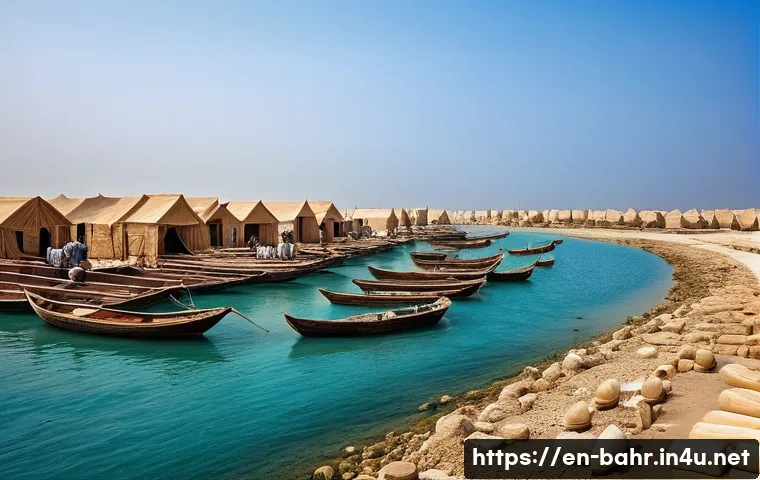
For example, the discovery of a Dilmun-era harbor sheds light on maritime activities that shaped regional trade. These finds, though less famous, are invaluable for building a comprehensive picture of Bahrain’s past, highlighting the island’s multifaceted role in ancient times.
| Site | Period | Significance | Key Discoveries |
|---|---|---|---|
| Qal’at al-Bahrain | Dilmun to Islamic | Military fortress and cultural center | Fortifications, artifacts, urban layers |
| Barbar Temple | Dilmun | Religious and astronomical site | Temple ruins, altars, celestial alignments |
| Burial Mounds | Ancient to Medieval | Social hierarchy and funerary practices | Grave goods, jewelry, pottery |
| Harbor Sites | Bronze Age | Maritime trade and commerce | Dock remains, trade goods, tools |
Conclusion
Exploring Bahrain’s ancient history reveals a fascinating story of trade, culture, and innovation that shaped the Gulf region. From its role as a vibrant trade hub to its impressive architectural achievements, Bahrain’s past continues to inspire and inform its present. Understanding this rich heritage deepens our appreciation for how ancient civilizations connected and thrived. It’s clear that Bahrain’s legacy is not only preserved in ruins but lives on in its modern identity.
Useful Information to Know
1. Bahrain was a crucial maritime crossroads linking Mesopotamia, the Indus Valley, and the Arabian Peninsula, facilitating early globalization.
2. The Dilmun civilization, centered on Bahrain, controlled key trade routes and developed advanced urban planning and water management systems.
3. Pearling has been a vital economic activity in Bahrain for thousands of years, long before oil discovery, shaping its cultural and economic landscape.
4. Bahrain’s archaeological sites like Qal’at al-Bahrain and the Barbar Temple offer deep insights into ancient religious practices, social hierarchy, and defense strategies.
5. Modern Bahrain balances urban growth with preservation efforts, ensuring that new discoveries continue to enrich the understanding of its historical significance.
Key Takeaways
Bahrain’s strategic location made it a dynamic center for trade and cultural exchange in the ancient world. Its archaeological treasures highlight a society that was both innovative and deeply connected to its neighbors. The island’s heritage is preserved through careful conservation and public engagement, bridging the ancient past with contemporary life. Recognizing Bahrain’s historical contributions helps us appreciate the continuity of human creativity and resilience across millennia.
Frequently Asked Questions (FAQ) 📖
Q: What ancient civilizations have influenced Bahrain’s history?
A: Bahrain’s history is deeply influenced by several ancient civilizations, most notably the Dilmun civilization, which flourished around 3000 BCE and is often considered one of the oldest trading hubs in the region.
Additionally, Bahrain’s location connected it to Mesopotamian cultures, allowing for significant cultural and commercial exchanges. These ancient ties are evident through archaeological finds such as burial mounds, pottery, and inscriptions, revealing Bahrain’s role as a key player in early human civilization.
Q: How does Bahrain’s historical significance impact its modern culture?
A: The rich historical background of Bahrain shapes its modern culture in many ways. The island’s legacy as a crossroads of trade and culture has fostered a diverse society that values heritage and innovation alike.
Traditional crafts, festivals, and cuisine still carry echoes of the past, while modern developments honor this heritage through museums and cultural preservation efforts.
Experiencing Bahrain today, you’ll find a unique blend of ancient traditions seamlessly coexisting with contemporary life.
Q: Are there any must-visit archaeological sites in Bahrain?
A: Absolutely! Bahrain boasts several fascinating archaeological sites that offer a glimpse into its storied past. The Bahrain Fort (Qal’at al-Bahrain), a UNESCO World Heritage site, is a standout—it’s an ancient fortification built over layers of civilization, including Dilmun and Islamic periods.
The burial mounds in the northern region are among the largest ancient cemeteries in the world, providing insight into early burial practices. Visiting these sites personally, you can feel the deep historical layers beneath your feet, making them a must for anyone interested in history and culture.