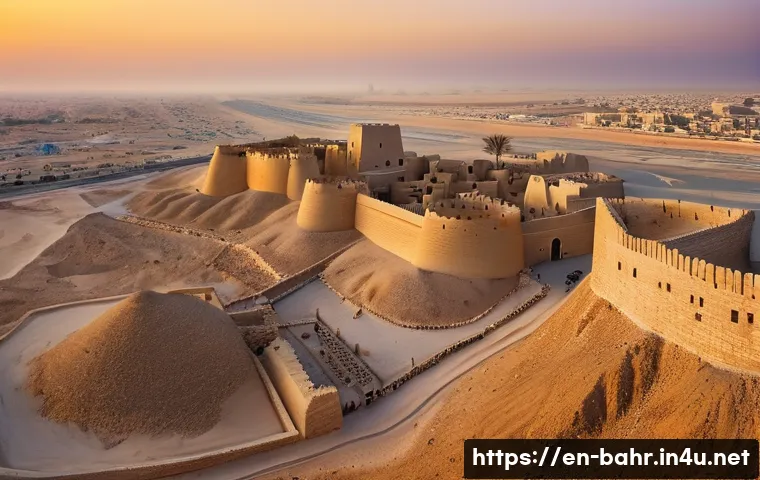
As climate change and coastal development increasingly threaten marine ecosystems worldwide, Bahrain’s vibrant underwater world has never been more crucial to explore.
This tiny island nation in the Arabian Gulf harbors some of the region’s most diverse coral reefs, seagrass beds, and mangrove forests, making it a hotspot for marine biodiversity.
Recently, growing conservation efforts have sparked hope for preserving these fragile habitats against mounting environmental pressures. Join me as we dive into Bahrain’s rich marine life, uncover the challenges it faces, and highlight the inspiring initiatives working to protect this underwater treasure.
Whether you’re a nature lover or just curious about global conservation trends, this journey promises fresh insights and eye-opening discoveries.
Exploring Bahrain’s Coral Reefs: Hidden Gems Beneath the Surface
The Diversity of Coral Species
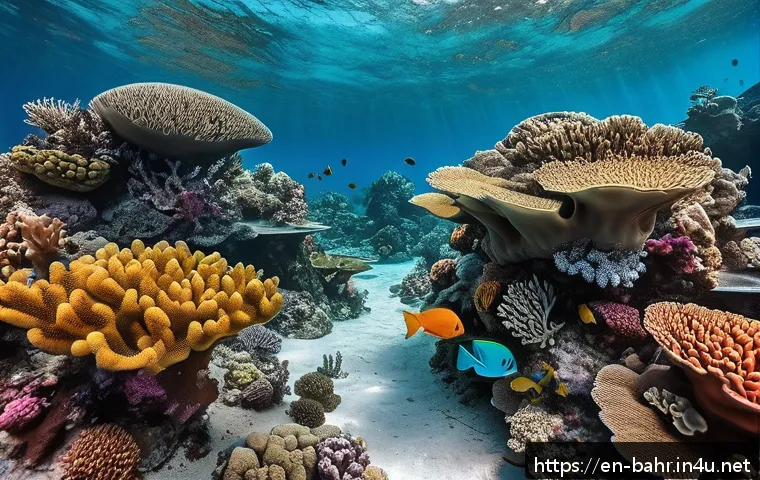
Bahrain’s coral reefs are surprisingly rich in species diversity, hosting a variety of hard and soft corals that create vibrant underwater landscapes.
Unlike the stereotypical image of coral reefs in the Pacific, Bahrain’s reefs thrive in the Arabian Gulf’s unique conditions—higher salinity and temperature fluctuations that many corals elsewhere might find challenging.
This resilience has fascinated marine biologists and divers alike. Personally, when I first snorkeled over these reefs, I was struck by the kaleidoscope of colors and the intricate coral formations that provide shelter to countless fish and invertebrates.
It’s a reminder that even small nations can harbor ecosystems of global importance.
Reef Fish and Marine Fauna
The coral reefs act as nurseries and feeding grounds for an array of marine species. From brightly colored parrotfish to elusive moray eels, the reefs teem with life.
One of my memorable encounters was spotting a school of colorful anthias darting through the coral branches, their movement creating a shimmering spectacle.
These fish not only support local fisheries but also maintain the ecological balance of the reefs by controlling algae growth. Observing these interactions in person deepened my appreciation of the reefs’ complexity and fragility.
The Threat of Coral Bleaching
Despite their resilience, Bahrain’s corals are not immune to the global threat of coral bleaching caused by rising sea temperatures. Over the past decade, several bleaching events have been recorded, visibly stressing the reefs and reducing their vitality.
I remember reading reports from local researchers who monitored these bleaching episodes firsthand, highlighting the urgency for protective measures. The combination of climate change and coastal development pressures means that without intervention, these coral communities could face severe decline in the near future.
Seagrass Meadows: The Unsung Heroes of Marine Ecosystems
Ecological Importance of Seagrass Beds
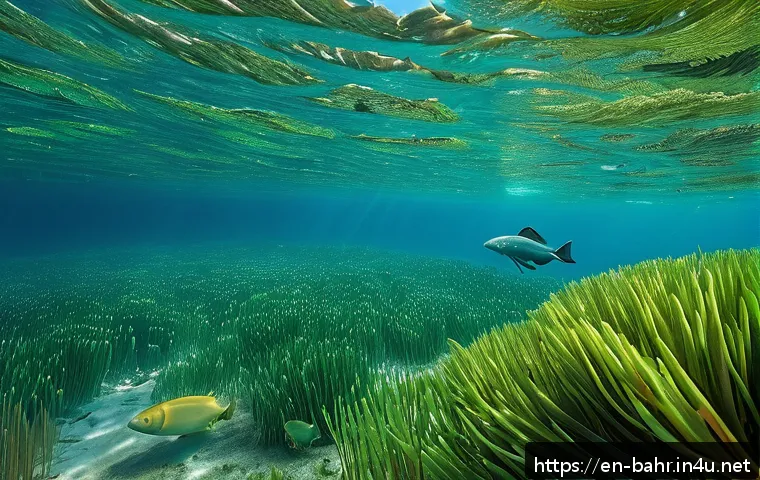
Seagrass beds in Bahrain are often overlooked compared to coral reefs, yet they play a crucial role in maintaining coastal health. These underwater meadows act as carbon sinks, trapping significant amounts of CO2 and helping to mitigate climate change impacts.
On my visits to the shallow waters, I noticed how these beds provide essential habitats for juvenile fish and crustaceans, supporting local fisheries and biodiversity.
Their role in stabilizing sediment also protects shorelines from erosion, which is vital for a low-lying island nation like Bahrain.
Species Found in Bahrain’s Seagrass Beds
The predominant seagrass species here include Halophila and Halodule, which are adapted to the Gulf’s warm, saline waters. These species support a variety of marine life, including endangered dugongs that graze on the seagrass leaves.
I was fortunate enough to hear from local conservationists about occasional dugong sightings, which are rare but significant indicators of ecosystem health.
The seagrass beds also shelter commercially important species like shrimp and various fish, making their conservation directly tied to Bahrain’s fishing economy.
Human Impacts and Conservation Efforts
Coastal reclamation and pollution threaten these seagrass habitats, often leading to fragmentation and decline. During one field trip, I observed areas where sediment runoff from construction sites had smothered seagrass patches, making it difficult for them to survive.
However, Bahrain has begun implementing restoration projects, such as seagrass transplantation and pollution control initiatives, reflecting a growing awareness of their ecological value.
The success of these projects depends on continued community engagement and strict environmental regulations.
Mangrove Forests: Vital Coastal Guardians
Unique Adaptations of Bahrain’s Mangroves
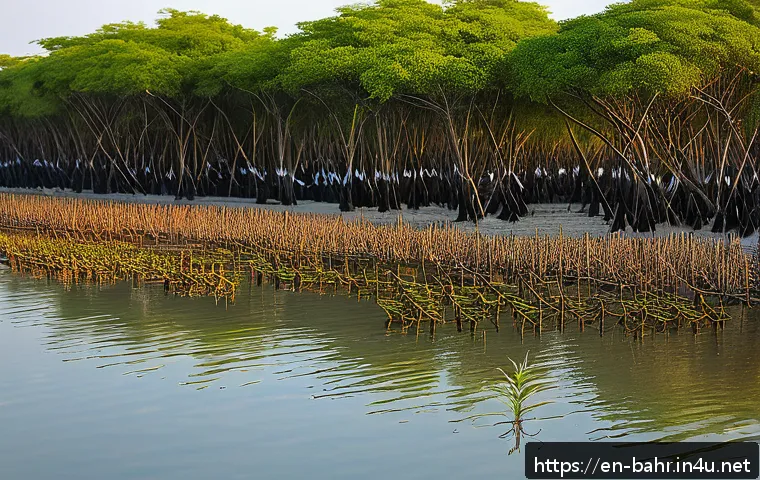
Mangroves in Bahrain have adapted to thrive in harsh saline environments, forming dense thickets along the coastline. These trees filter salt from seawater, create oxygen-rich mudflats, and provide critical breeding grounds for many marine and bird species.
When I walked through a mangrove boardwalk near Muharraq, I was amazed at how these forests serve as natural buffers against storm surges and coastal erosion.
Their complex root systems not only protect the land but also trap sediments that improve water clarity.
Biodiversity Supported by Mangroves
Mangroves support a wide variety of life, including crabs, mollusks, fish, and migratory birds. Bahrain’s mangrove areas are particularly important stopover points for migratory bird species traveling along the Arabian Peninsula.
Local fishermen have shared stories with me about how juvenile fish use mangrove roots as nurseries, making these forests vital for sustaining fish populations.
The interconnectedness of mangroves with other marine habitats like coral reefs and seagrass beds underscores their ecological significance.
Community-Based Mangrove Conservation
In recent years, community-led mangrove planting campaigns have gained momentum in Bahrain, combining environmental education with hands-on restoration.
I participated in one such event, where locals, including families and schoolchildren, planted seedlings along degraded coastlines. These initiatives not only help restore mangrove cover but also foster a sense of stewardship among residents.
The involvement of local NGOs and government agencies ensures these efforts are coordinated and sustainable.
Marine Pollution: Challenges Facing Bahrain’s Waters
Sources and Types of Pollution
Bahrain’s marine ecosystems face increasing threats from pollution sources such as industrial discharge, plastic waste, and oil spills. The country’s rapid urbanization and industrial growth have led to higher levels of contaminants entering the Gulf waters.
During dives near Manama, I noticed floating debris and microplastics, which pose dangers to marine wildlife through ingestion and entanglement. Oil residues from shipping lanes also contribute to water quality degradation, affecting coral and seagrass health.
Impacts on Marine Life and Habitats
Pollution disrupts the delicate balance of marine habitats, leading to reduced reproductive success in fish and coral diseases. I recall conversations with marine biologists who pointed out that contaminated sediments can suffocate coral polyps and inhibit seagrass photosynthesis.
The bioaccumulation of toxins in marine organisms also threatens food safety for communities relying on seafood. These cascading effects highlight the urgent need for effective pollution control.
Efforts to Combat Marine Pollution
Bahrain has introduced stricter environmental regulations and enhanced monitoring of coastal water quality in response to pollution concerns. Local NGOs run awareness campaigns targeting plastic reduction and proper waste disposal, which I found impressive given the cultural challenges involved.
Additionally, cleanup drives organized by volunteer groups have made visible impacts on reducing shoreline litter. Continued cooperation between government, industry, and civil society is essential for protecting Bahrain’s marine environment.
Marine Protected Areas and Their Role in Conservation
Overview of Bahrain’s Marine Protected Areas (MPAs)
Bahrain has designated several MPAs to safeguard critical habitats such as coral reefs, seagrass beds, and mangrove forests. These zones restrict fishing, dredging, and other disruptive activities to allow ecosystems to recover and thrive.
Visiting one of these areas, I was struck by the noticeable increase in fish abundance and coral health compared to unprotected sites. MPAs serve as living laboratories for scientists and provide eco-tourism opportunities that can benefit local economies.
Community Involvement in MPA Management
Successful MPA management depends heavily on community participation. I met with local fishermen who initially feared restrictions but later recognized that MPAs helped replenish fish stocks in adjacent fishing grounds.
Educational programs aimed at schools and residents foster a conservation mindset, emphasizing the long-term benefits of preserving marine resources. This grassroots involvement has been a game changer in ensuring compliance and support for MPAs.
Monitoring and Research Initiatives
Continuous scientific monitoring is crucial for assessing the effectiveness of MPAs. Bahrain collaborates with international research institutions to track changes in biodiversity, water quality, and habitat conditions.
I had the chance to review some research data showing positive trends in coral cover and fish diversity within protected zones. Such evidence-based management allows for adaptive strategies to address emerging threats and optimize conservation outcomes.
Table: Summary of Bahrain’s Key Marine Habitats and Their Ecological Roles
| Marine Habitat | Key Species | Ecological Functions | Main Threats | Conservation Actions |
|---|---|---|---|---|
| Coral Reefs | Hard and soft corals, reef fish, invertebrates | Habitat provision, fisheries support, biodiversity hotspot | Coral bleaching, pollution, coastal development | MPAs, reef restoration, pollution control |
| Seagrass Beds | Halophila, Halodule, dugongs, juvenile fish | Carbon sequestration, nursery grounds, sediment stabilization | Habitat fragmentation, sedimentation, pollution | Seagrass transplantation, water quality management |
| Mangrove Forests | Avicennia trees, crabs, migratory birds, juvenile fish | Coastal protection, nursery habitats, nutrient cycling | Deforestation, pollution, land reclamation | Community planting, habitat protection |
Innovative Approaches in Bahrain’s Marine Conservation
Use of Technology in Monitoring
Bahrain is leveraging modern technology such as drones, underwater sensors, and satellite imagery to monitor marine ecosystems more efficiently. I was amazed to learn how real-time data collection helps detect illegal fishing activities and track environmental changes swiftly.
These tools provide invaluable support to enforcement agencies and researchers, making conservation efforts more precise and responsive.
Public Engagement Through Eco-Tourism
Eco-tourism initiatives focusing on snorkeling, diving, and mangrove tours have become popular ways to raise awareness and generate funding for conservation.
From my personal experience joining a guided mangrove kayak tour, I found that such activities not only educate visitors but also create economic incentives to preserve natural habitats.
Tour operators often collaborate with conservation groups, ensuring that tourism practices remain sustainable and respectful of the environment.
Collaborations with Regional Partners
Recognizing that marine ecosystems transcend national boundaries, Bahrain actively participates in regional environmental agreements and scientific collaborations.
These partnerships facilitate knowledge exchange and coordinated actions against shared threats like pollution and overfishing. During a regional conference I attended virtually, Bahraini experts shared successful case studies, reinforcing the importance of collective responsibility in Gulf marine conservation.
Conclusion
Exploring Bahrain’s marine environments reveals a rich tapestry of life thriving against unique challenges. From resilient coral reefs to vital mangrove forests, these ecosystems play indispensable roles in biodiversity and coastal protection. Continued conservation efforts, combined with community involvement and innovative technologies, are crucial to safeguarding these natural treasures for future generations.
Useful Information to Know
1. Bahrain’s coral reefs are adapted to withstand higher salinity and temperature fluctuations, making them uniquely resilient compared to other global reefs.
2. Seagrass beds act as carbon sinks and nursery habitats, supporting both marine life and local fisheries crucial to the economy.
3. Mangrove forests serve as natural coastal defenses, providing shelter for many species and protecting shorelines from erosion.
4. Marine pollution, including plastics and oil residues, threatens the health of Bahrain’s aquatic ecosystems, necessitating strict environmental controls.
5. Marine Protected Areas (MPAs) in Bahrain help restore and preserve marine biodiversity, with success dependent on active community engagement and scientific monitoring.
Key Takeaways
Bahrain’s marine habitats—coral reefs, seagrass beds, and mangroves—are interconnected ecosystems vital for biodiversity, fisheries, and coastal protection. Despite natural resilience, these habitats face significant threats from climate change, pollution, and development. Effective conservation requires a multi-faceted approach involving technology, community participation, and regional cooperation to ensure the sustainability of these precious marine resources.
Frequently Asked Questions (FAQ) 📖
Q: What makes Bahrain’s marine ecosystems unique compared to other regions in the
A: rabian Gulf? A1: Bahrain’s marine ecosystems stand out due to their remarkable biodiversity concentrated in a relatively small area. The island hosts some of the Gulf’s most diverse coral reefs, extensive seagrass beds, and thriving mangrove forests.
These habitats serve as critical nurseries for fish and other marine species, supporting both ecological balance and local fisheries. What’s fascinating is how these ecosystems coexist so closely, creating a vibrant underwater mosaic that’s rare in such an arid region.
This unique combination makes Bahrain a vital hotspot for marine life conservation in the Arabian Gulf.
Q: What are the biggest threats currently facing Bahrain’s marine environment?
A: The biggest challenges include coastal development, pollution, and the broader impacts of climate change. Rapid urbanization and infrastructure projects along Bahrain’s coastline disrupt natural habitats and increase sedimentation, which harms coral reefs and seagrass beds.
Pollution from industrial runoff and untreated sewage further degrades water quality. Climate change adds another layer of threat by causing ocean warming and acidification, which stress coral reefs and can lead to bleaching events.
These combined pressures make conservation efforts more urgent than ever.
Q: How are local conservation initiatives helping to protect Bahrain’s underwater habitats?
A: Local conservation efforts are gaining momentum through a mix of scientific research, community engagement, and policy measures. Organizations and government bodies are working together to establish marine protected areas that limit harmful activities and allow ecosystems to recover.
There are also programs focused on restoring mangrove forests and seagrass beds, which are essential for coastal protection and marine biodiversity. Public awareness campaigns encourage sustainable fishing and reduce pollution, while ongoing monitoring helps track the health of these habitats.
From personal experience following these initiatives, it’s clear that combining science with local involvement is key to making lasting progress.