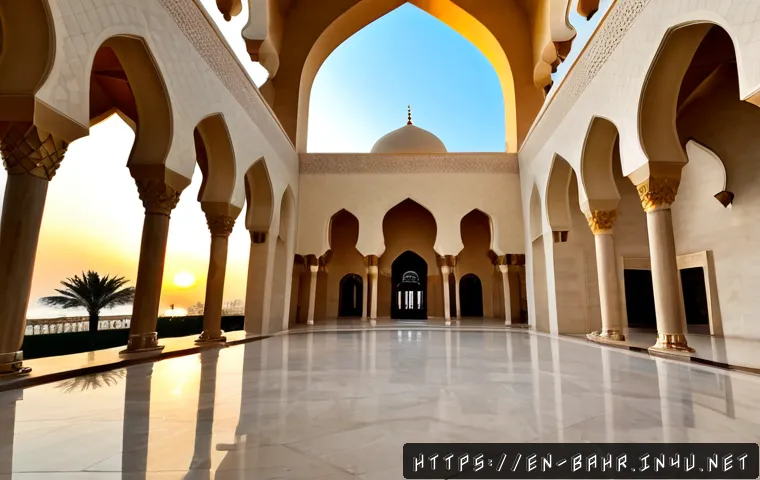
Bahrain’s most rewarding Islamic architecture stops are Al Khamis Mosque for historic character, Al-Fateh Grand Mosque for a modern religious landmark, and Muharraq for traditional Gulf domestic design.
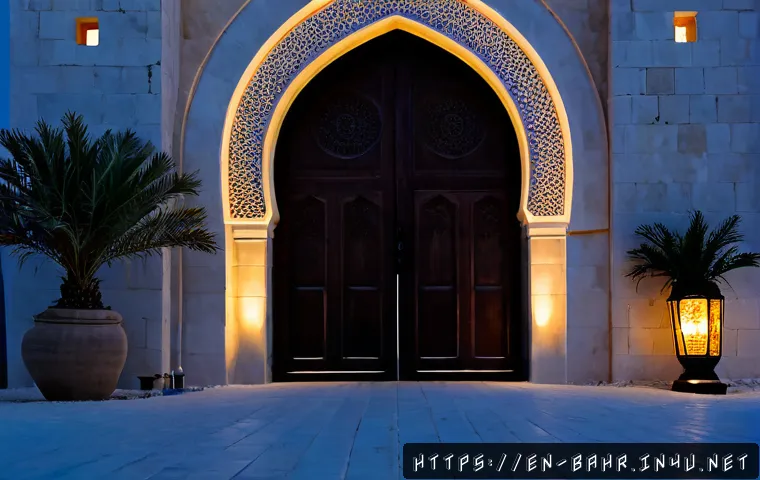
For a first visit, combine Manama and Muharraq rather than treating every heritage site as the same kind of attraction. A self-guided route suits independent travelers, while a private driver can make a short or heat-sensitive itinerary more comfortable.
A licensed cultural guide is most useful when you want deeper context on materials, climate-responsive layouts, and the difference between worship spaces and historic sites.
Check access arrangements, dress expectations, photography rules, and prayer-time restrictions directly before you go.
At a Glance
- First-time visitors: Prioritize Al Khamis Mosque, Al-Fateh Grand Mosque, and a walk through Muharraq’s traditional-house areas.
- Architecture-focused travelers: Look for coral stone, gypsum, palm-based materials, courtyards, shaded passages, and ventilation-focused planning.
- Short-stopover guests: A Manama hotel, private airport transfer, or private driver can simplify a limited-time route.
| Visit Style | Best For | Main Advantages | Points to Compare Before Booking |
|---|---|---|---|
| Self-guided visit | Flexible independent travelers | Choose your own pace and spend longer at the places that matter most | Transport access, current site rules, route planning, and time between Manama and Muharraq |
| Private driver | Families, small groups, short stays, or heat-sensitive travelers | Comfortable point-to-point travel and easier changes to the schedule | Vehicle type, waiting time, airport transfer inclusion, itinerary length, and quoted cost in BHD |
| Licensed heritage guide | Travelers seeking architectural and cultural interpretation | Context for mosque etiquette, traditional homes, materials, and historical distinctions | Guide language, licensing, access arrangements, route focus, and total cost in BHD |
What Makes Bahrain’s Islamic Architecture Worth Seeing?
Bahrain offers more than a list of mosque façades. Its architectural story connects active religious spaces, historic neighborhoods, and domestic buildings shaped by Gulf heat and everyday life. A thoughtful visit can reveal how courtyards, shade, materials, and airflow influenced the built environment.
A blend of religious spaces, Gulf climate design, and heritage neighborhoods
Traditional Bahraini architecture commonly used coral stone, gypsum, and palm materials. These were not simply decorative choices. They were part of building approaches suited to the Gulf climate, alongside layouts designed around ventilation, shade, and protected interior spaces. In Muharraq, historic traditional houses help visitors see this domestic side of Islamic-era Gulf architecture through courtyards and shaded passages.
The difference between an active mosque and a historic monument
It is useful to plan with two categories in mind. An active mosque is first a place of worship, so visitor access may change around prayers or other religious needs. A heritage monument can be approached differently, although local rules still apply. Respectful access is not the same as guaranteed access: entry to particular prayer areas, photography, and dress expectations should be confirmed before arrival.
Quick answer: the best places to prioritize on a first visit
For a concise architecture route, begin with Al Khamis Mosque for its historic visual identity, include Al-Fateh Grand Mosque in Manama for a modern contrast, and reserve time for Muharraq’s traditional houses. Bahrain Fort is also an important archaeological stop, but it should be understood in its broader historical context rather than presented only as an Islamic architectural monument.
Landmark Guide: Mosques and Islamic-Era Heritage to Add to Your Route
Al Khamis Mosque: historic character and architectural details to notice
Located in Bahrain’s Khamis area, Al Khamis Mosque is widely regarded as one of the Gulf region’s oldest surviving mosques. Its most recognizable feature is its pair of minarets. Visitors can also notice reconstructed elements with stone-and-coral styling, which contribute to the site’s historic character. Take time to observe proportions, surface texture, and the relationship between the minarets and the wider structure rather than treating it as a quick photo stop.
Because conditions for entry, photography, and on-site interpretation can change, verify the current arrangements before building a fixed schedule around the visit.
Al-Fateh Grand Mosque: a modern landmark in Manama
Al-Fateh Grand Mosque is a major modern religious landmark in Manama. It is known for its prominent fiberglass dome and large prayer hall. The mosque provides a useful contrast with older heritage architecture: its scale and modern construction make it a different kind of architectural experience from Al Khamis Mosque or Muharraq’s historic homes.
Plan this as an active religious site, not simply an interior attraction. Check whether visitors may enter at your intended time, particularly near prayers or on Friday, and ask about interior photography before taking pictures.
Muharraq’s traditional houses and the architecture of everyday life
Muharraq is especially valuable for travelers who want to understand architecture beyond major religious landmarks. Its historic traditional houses reflect Gulf Islamic domestic design through courtyards, shaded passages, and climate-responsive features. These elements can make the neighborhood experience feel more intimate than a single monument visit.
A self-guided walk can work well if you enjoy moving slowly and observing details. A cultural guide can add value if you want help connecting materials and layout choices to daily life, privacy, shade, and ventilation. When comparing a private heritage tour, ask whether the itinerary allows meaningful time in Muharraq rather than only a brief drive-through.
How to place Bahrain Fort in its broader historical context
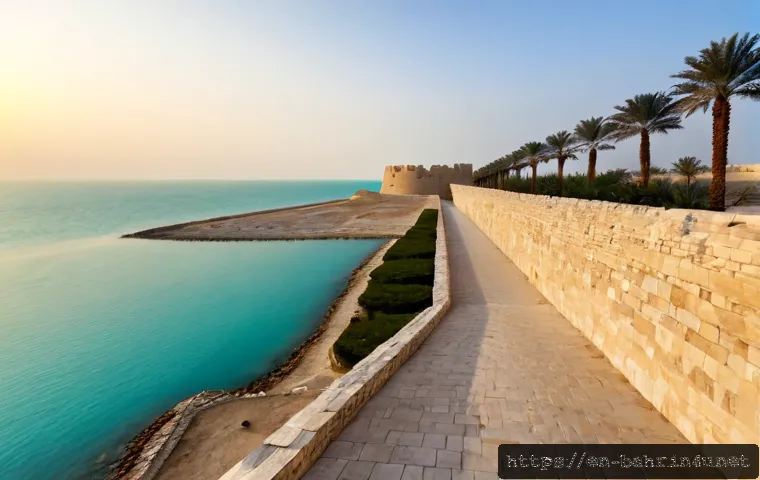
Bahrain Fort is an important archaeological site with layers from several historical periods. It can fit naturally into a wider heritage day, especially for travelers interested in the island’s built history. Still, it should not be described solely as an Islamic architectural monument. Treat it as a separate archaeological dimension of the itinerary, alongside—not in place of—the mosque and traditional-house experience.
Self-Guided, Private Driver, or Cultural Guide? Compare the Visit Options
Comparison table: time, flexibility, local context, and likely cost factors
The right choice depends less on a single “best” option and more on how you value time, comfort, interpretation, and planning control. Self-guided travel offers the most freedom, but it puts access checks and transport coordination on you. A private driver can reduce logistical friction. A licensed guide can make the architectural details easier to understand.
When requesting quotes in BHD, compare like for like. Ask whether the service includes a vehicle, driver waiting time, hotel pickup, airport transfer, guide language, and the intended length of the route. Do not assume that a private driver and a licensed cultural guide provide the same service.
When a licensed guide adds value for architecture-focused travelers
A licensed cultural guide is often most useful when the purpose of the trip is interpretation, not only transport. The value may be in explaining why a courtyard matters, how shaded passages work within a neighborhood, or why Al Khamis Mosque and Al-Fateh Grand Mosque should be viewed through different historical and religious lenses.
Before choosing a guide, confirm the working language, the focus of the itinerary, and whether current access conditions have been checked. If your priority is simply moving efficiently between locations, a private driver may be the more practical option.
Choosing hotels and transport for a Manama–Muharraq itinerary
A hotel in Manama can be convenient for travelers who want Al-Fateh Grand Mosque and city-based services within their broader plan. Muharraq deserves dedicated time rather than being treated as a minor add-on, particularly for traditional-house architecture. For a short stay, compare hotel location with your arrival and departure logistics, then decide whether an airport transfer or hotel driver would remove unnecessary pressure.
Travelers booking private transport should share a realistic sequence of stops and allow room for access changes. A tight plan can fail if a mosque visit needs to be moved because of prayer-time activity or visitor restrictions.
Mosque Visit Etiquette, Timing, and Common Planning Mistakes
Modest dress and respectful behavior around worshippers
Choose modest, respectful clothing when visiting mosque areas, and follow any instructions provided on site. Keep your voice low, avoid interrupting worshippers, and remember that religious spaces are not designed around a visitor’s photography schedule. If unsure about a particular area, ask before entering.
Prayer times, Friday considerations, and entry restrictions
Prayer times can affect access and the appropriate timing of a visit. Friday may also require additional care when planning around active worship. Non-Muslim entry to specific prayer areas may vary by site and day, so do not rely on general assumptions. Confirm the current public-access arrangement directly before you travel.
Photography, drone, and interior-access checks to make before visiting
Photography rules can differ between exterior areas, interiors, and spaces where worshippers are present. Ask first, photograph second. Drone use should never be assumed to be acceptable. Before adding any mosque to a paid private tour or driver itinerary, check the current photography policy, interior-access conditions, and whether the planned arrival time is suitable.
Suggested Routes for Different Bahrain Travel Plans
A half-day Manama architecture route
For a short stay, center the route on Manama and Al-Fateh Grand Mosque, subject to current visitor access. This option works best for travelers who want a modern landmark and do not have enough time for a fuller heritage circuit. A nearby hotel, hotel driver, or private airport transfer can make the schedule easier to manage.
A full-day Manama and Muharraq heritage itinerary
A fuller day can combine Al-Fateh Grand Mosque, Al Khamis Mosque, and Muharraq’s traditional-house areas. The order should remain flexible because mosque access may depend on current conditions. Add Bahrain Fort only if your interest extends to archaeology and broader historical layers, rather than Islamic architecture alone.
A comfortable option for visitors using private transport or a hotel driver
Private transport is useful when comfort, limited time, or group coordination matters most. Ask the driver or transport provider to plan for waiting time and possible schedule adjustments. For an architecture-focused day, consider pairing the driver with a licensed guide rather than assuming transport alone will provide cultural interpretation.
Selection Criteria and Comparison Summary
Choose a self-guided route if flexibility matters most
Choose this option if you enjoy independent exploration, are comfortable confirming access details yourself, and want to set your own pace in Manama and Muharraq.
Choose a private driver if heat, limited time, or group comfort is the priority
A private driver is a practical choice when you want smoother transfers between sites, especially for a short itinerary, a family group, or travelers who prefer less walking between separate areas.
Choose a heritage guide if architectural context and local history matter most
Select a licensed heritage guide when you want more than directions. This option is best for understanding the design logic behind historic houses, mosque architecture, and Bahrain’s different heritage layers.
Selection Criteria and Comparison Summary
Before deciding, check these points: hotel location in relation to Manama and Muharraq; transport needs for a short stopover or full day; guide language and licensing; route emphasis on mosques, homes, or archaeology; and respectful access planning around prayer times and photography rules. Compare private driver and heritage-tour listings by what is actually included, not only by the headline price in BHD. For official guidance and detailed service conditions, check the relevant provider or site information page before booking.
In Closing
Bahrain’s Islamic architecture is best appreciated as a connected experience rather than a checklist of landmarks. Al Khamis Mosque, Al-Fateh Grand Mosque, and Muharraq each show a different side of the country’s architectural identity. A realistic route leaves room for religious etiquette, access checks, and time to observe details. The most suitable travel arrangement depends on whether you value independence, comfort, or interpretation most.
Useful Things to Know
1. Keep mosque visits flexible until you have checked current access conditions.
2. Separate active worship spaces from heritage and archaeological sites in your planning.
3. Ask a guide or transport provider exactly what is included, including language, vehicle, waiting time, and pickup arrangements.
4. Muharraq is especially worthwhile for travelers interested in traditional domestic architecture, not only major religious buildings.
Important Notes
Opening hours, public entry rules, dress requirements, photography policies, guided-visit availability, transport prices, and language options may change. This guide does not assume access to particular mosque interiors or prayer areas for any visitor. Confirm current information directly with the relevant site, licensed guide, hotel, or transport provider before finalizing your Bahrain itinerary.
Frequently Asked Questions
Q1. Can non-Muslim visitors enter mosques in Bahrain?
A1. Access can vary by mosque, prayer area, day, and current arrangements. Do not assume entry is available at every time. Check directly with the individual site before visiting, and follow all on-site guidance.
Q2. Is a private guide worth the cost for visiting Bahrain’s Islamic architecture?
A2. A private or licensed heritage guide can be worthwhile if you want architectural context, help distinguishing active mosques from heritage sites, and a route shaped around your interests. If you mainly need comfortable transport, compare that option with a private driver instead.
Q3. What should visitors wear when entering or photographing mosque areas in Bahrain?
A3. Wear modest, respectful clothing and follow any site-specific instructions. Requirements may differ by location, and photography rules may also change between exterior and interior areas. Confirm both before your visit.