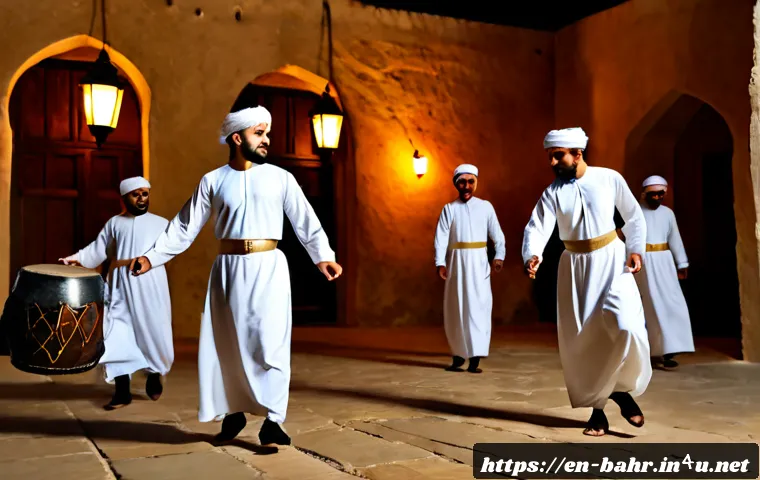
Bahrain’s traditional music blends Gulf, African, and maritime influences. Learn about Fidjeri, Sawt, Liwa, and Ardah, where they may be experienced, and how to choose an authentic cultural event or guided visit.
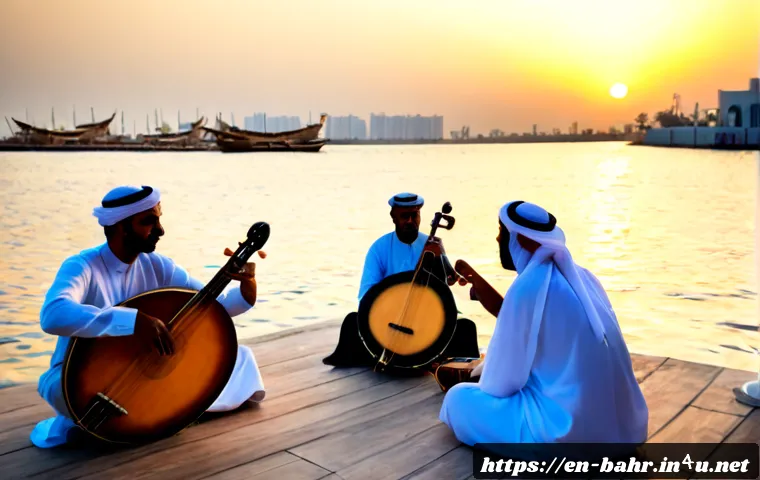
Bahrain’s traditional performance heritage is best explored by matching the style to your interest: choose Fidjeri for maritime history, Sawt for urban poetry and oud music, Liwa for powerful rhythm and dance, and Ardah
for ceremonial group performance. For first-time visitors, a guided heritage program or well-described cultural event can make the differences much easier to understand.
Music-focused travelers may prefer a program that explains instruments, lyrics, and historical setting. Families often benefit from a festival or cultural-center presentation, while event planners should ask performers what tradition they represent and how much cultural interpretation is included.
Bahrain’s living arts are not interchangeable “Gulf entertainment”; each form carries its own social setting, musical language, and community connections.
Before reserving a cultural tour, heritage venue visit, or private performance, confirm the format, duration, language support, and photography policy directly with the organizer.
At a Glance
- Fidjeri connects group singing and percussion with Bahrain’s historical pearl-diving and maritime life.
- Sawt, Liwa, and Ardah offer distinct urban, African-connected, and ceremonial Gulf performance traditions.
- For a meaningful cultural experience, compare the event setting, performer background, explanation provided, and audience fit before booking.
| Tradition | Cultural Setting | Typical Sound or Feature | Best For | Useful Booking Question |
|---|---|---|---|---|
| Fidjeri | Maritime and pearl-diving heritage | Group vocals, hand clapping, percussion | Visitors interested in Bahrain’s sea-based history | Will the program explain the pearl-diving context? |
| Sawt | Urban Gulf music tradition | Poetic singing, oud, mirwas drum | Music listeners and cultural learners | Is there an introduction to the songs or instruments? |
| Liwa | East African-connected Gulf tradition | Rhythm, music, and dance | Travelers seeking energetic ensemble performance | Which community tradition does the group present? |
| Ardah | Ceremonial Gulf group performance | Lines of performers, rhythmic movement, poetry | Festivals, formal occasions, and event planners | Are props or ceremonial elements part of this presentation? |
Bahrain’s Living Performance Heritage at a Glance
The Quick Answer: Four Traditions Visitors Are Most Likely to Encounter
Bahrain’s traditional music and dance are not one single style. Fidjeri is closely tied to the historical pearl-diving community and maritime work. Sawt is an urban Gulf music form known for poetic singing and instruments including the oud and mirwas drum. Liwa brings together music and dance with East African cultural connections, while Ardah is a ceremonial Gulf performance associated with coordinated lines, poetry, and rhythmic movement.
These arts may appear at national celebrations, heritage festivals, weddings, community gatherings, or cultural-center programming. What is presented can change with the ensemble, the season, and the event setting. A short stage segment may be enjoyable, but it may not provide the same context as a heritage tour or a program led by performers who explain the tradition.
Why Bahrain’s Music Reflects Maritime, Gulf, and African Connections
Bahrain’s performance heritage reflects more than one cultural current. Fidjeri points to the shared social world of seafaring work and pearl diving. Sawt belongs to a wider Gulf urban tradition. Liwa reflects East African cultural connections found in Bahrain and other parts of the Gulf. Ardah shares ceremonial characteristics seen across Gulf communities.
This is why it helps to avoid treating every costume, drum rhythm, or group dance as the same “Gulf show.” Ask what specific tradition is being performed, who performs it, and whether the presentation includes cultural interpretation. Those questions are useful whether you are selecting a cultural event, arranging an educational visit, or considering entertainment for a private program.
Fidjeri, Sawt, Liwa, and Ardah: A Practical Comparison
Maritime Songs and Pearl-Diving Heritage
Fidjeri is a traditional Bahraini musical form associated with the historical pearl-diving community and maritime life. Performances commonly include group singing, hand clapping, and percussion. Its rhythms are connected to seafaring work and shared social traditions, making it a strong choice for travelers who want to understand Bahrain beyond modern city sights.
When evaluating a Fidjeri presentation, look for more than a brief musical excerpt. A valuable heritage experience may explain its relationship to the sea, collective labor, and community memory. Do not assume every maritime-themed program uses the same repertoire or performance practice.
Urban Poetry and Oud-Led Sawt Music
Sawt is a Gulf urban music tradition performed in Bahrain and elsewhere in the Arabian Gulf. It often features poetic singing with instruments such as the oud and mirwas drum. For visitors who listen closely to melody, lyrics, and instrumental interplay, Sawt can be a particularly rewarding form to seek out.
A performance may be easier to appreciate when an organizer provides a short explanation in a language you understand. Ask whether the cultural program includes commentary about the instruments or songs. The precise repertoire and performance approach may differ among groups, so avoid expecting every Sawt event to sound identical.
Liwa’s Rhythm, Dance, and African Cultural Connections
Liwa is a musical and dance tradition with East African cultural connections. It is performed in Bahrain and across parts of the Gulf region. Visitors often notice its rhythmic drive and the relationship between music, movement, and group participation.
Liwa is a useful reminder that Bahrain’s heritage has multiple cultural connections. If you are booking a performance, ask how the group describes its own tradition rather than relying only on a broad label such as “folk dance.” That simple step can help a school group, tour group, or event audience receive a more accurate introduction.
Ceremonial Ardah and Group Performance Traditions
Ardah is a ceremonial Gulf dance often associated with lines of performers, rhythmic movement, and poetry. In some settings, swords or sticks may be included. It can suit formal cultural events because the group formation and ceremonial character are visually clear, especially for larger audiences.
However, ceremonial elements deserve careful interpretation. Props do not automatically mean that every Ardah presentation follows the same custom or choreography. If you are planning a corporate, educational, or private cultural event, confirm what will be included and whether the performers can explain the significance of the format.
What to Listen and Look for During a Performance
Voices, Percussion, Movement, and Call-and-Response Patterns
Start by noticing how the performers work as a group. Fidjeri commonly emphasizes collective singing, clapping, and percussion. Sawt may draw attention toward sung poetry and instruments. Liwa joins rhythmic music and dance, while Ardah uses coordinated group movement and poetic or ceremonial expression.
You do not need specialist knowledge to enjoy these differences. A good question is simply: What is the center of this performance—work-song memory, poetic music, dance rhythm, or ceremony? That question gives you a clearer experience than focusing only on whether the presentation looks festive.
Costumes and Props: How to Interpret Them Carefully
Costumes and props can add visual meaning, but they should not be treated as a complete explanation of a tradition. Performance style, costume choices, and choreography can vary by group and event. Ardah may include swords or sticks in some contexts, but their presence alone does not tell the entire cultural story.
For a guided heritage visit, choose organizers that describe the tradition in specific terms. Clear wording such as “Fidjeri maritime music,” “Sawt music program,” or “ceremonial Ardah presentation” is more helpful than a generic promise of traditional entertainment.
Respectful Visitor Behavior at Community and Ceremonial Events
Community and ceremonial events may have different expectations from ticketed stage performances. Watch first, follow host guidance, and ask before taking photographs or recording video. If participation is invited, join in a way that respects the performers and other guests rather than turning the tradition into a personal photo opportunity.
For families and first-time visitors, a cultural-center event or guided program may feel more comfortable because practical expectations can be explained in advance. Photography access, seating, language support, and arrival timing should always be confirmed with the organizer.
Planning a Cultural Performance or Heritage Visit

Festival, Museum, Private Event, or Guided Tour: Which Format Fits Your Trip?
A festival may offer energy and several forms of traditional arts, but programming and access can vary. A cultural-center program may be a better fit if you want interpretation and a more focused presentation. A guided heritage tour can add value when time is limited and you want historical context alongside the performance. A private cultural event may suit planners who need a specific format for guests, students, or colleagues.
No format is automatically more authentic than another. The practical difference is the level of explanation, the setting, and whether the performance is designed for a broad audience, a community occasion, or a booked event.
Questions to Ask About Duration, Language Support, Access, and Photography
Before reserving, ask a few direct questions:
- Which Bahraini or Gulf tradition will be presented?
- How much of the program is performance, and how much is cultural explanation?
- Is language support available for international visitors or student groups?
- What are the photography, recording, and participation rules?
- Is the event part of a festival, a community gathering, or a dedicated heritage program?
These questions are especially useful because schedules, ticket terms, and venue availability may change. Confirm the current details directly with the organizer rather than relying on a general description.
When Paying for a Guided Cultural Program Can Add Real Value
A guided cultural program can be worth considering when you have limited time, are unfamiliar with Bahrain’s heritage, or want more than a short entertainment segment. The value is not just admission; it is the chance to understand why Fidjeri, Sawt, Liwa, and Ardah are different from one another.
For educators, a guided format may make it easier to connect music, history, movement, and social context. For travelers, it can reduce guesswork about etiquette and scheduling. Before booking a heritage tour or cultural performance package, ask what interpretation is actually included.
Tips for Travelers, Teachers, and Event Planners
Building a Short Bahrain Itinerary Around Music and Heritage
If traditional music is a priority, begin with a heritage-focused activity and then look for a festival, cultural-center program, or community event during your stay. This approach gives you a framework for what you hear later. It also prevents the common mistake of assuming that one performance represents every Bahraini tradition.
Keep your plans flexible. Availability can vary by season, venue, and event calendar, so confirm timing before shaping the rest of your itinerary around a particular performance.
Choosing Performers for Educational or Corporate Cultural Events
For an educational or corporate program, select performers based on the audience goal. A Fidjeri presentation may support a discussion of maritime heritage. Sawt may suit a music-centered audience. Liwa can highlight Bahrain’s cultural connections, while Ardah may fit a formal ceremonial setting.
Ask the booking contact whether the group can introduce the performance, explain instruments or movement, and adapt the presentation to the available venue. A clear brief helps avoid a mismatch between the event theme and the performance style.
Avoiding Stereotypes and Treating Living Traditions with Respect
Traditional arts are living practices, not fixed museum objects. Avoid describing every Gulf performance as identical, and do not assume that a costume or prop explains a full history. Use the names of traditions where possible, listen to how performers describe their work, and allow for variation between communities and ensembles.
Choosing a Bahrain Cultural Experience: Final Comparison Checklist
Authentic Context, Performer Background, Venue, and Audience Fit
Before you reserve tickets, a heritage tour, or a private performance, compare these decision points:
- Specific tradition: Is the program clear about whether it presents Fidjeri, Sawt, Liwa, Ardah, or a mix?
- Cultural context: Will there be an explanation of maritime, urban, ceremonial, or African-connected roots?
- Event format: Is it a festival appearance, cultural-center session, community gathering, guided visit, or private booking?
- Audience needs: Are language support, access needs, seating, and photography rules suitable for your group?
- Current availability: Have you confirmed the schedule, venue, and participation terms directly?
A Simple Decision Guide Before Reserving Tickets or Services
Choose Fidjeri if maritime heritage is your main interest. Choose Sawt if you want poetic singing and oud-led music. Consider Liwa for rhythm and dance shaped by East African cultural connections. Consider Ardah for a ceremonial group presentation. Compare event format, timing, and cultural interpretation before reserving. For official details and current conditions, check the organizer’s event or booking page directly.
In Closing
Bahrain’s traditional dance and music offer several distinct ways to encounter the country’s heritage. Fidjeri, Sawt, Liwa, and Ardah each bring a different setting, sound, and social history. The best choice depends on whether you value musical detail, maritime context, energetic dance, or ceremonial presentation. A little advance research can turn a performance from a pleasant stop into a more meaningful cultural experience.
Useful Things to Know
1. Fidjeri is linked to Bahrain’s historical pearl-diving and maritime community.
2. Sawt is associated with poetic singing and instruments including the oud and mirwas drum.
3. Liwa has East African cultural connections and combines music with dance.
4. Traditional performances may appear at festivals, weddings, national celebrations, community gatherings, and cultural centers.
5. A performance label alone may not explain the regional style, repertoire, or degree of community participation.
Important Notes
Performance schedules, ticket conditions, venue access, and availability should be confirmed directly with the relevant organizer. Styles, instruments, costumes, choreography, and repertoire can vary among Gulf communities and individual ensembles. Not every event described as “traditional” presents the same Bahraini form or the same level of cultural explanation.
Frequently Asked Questions
Q1. What is the best traditional Bahraini music experience for first-time visitors?
A1. It depends on your interest. Fidjeri is a strong choice for maritime and pearl-diving heritage, while Sawt may appeal more to visitors who want poetic singing and oud music. A guided heritage experience can be helpful for first-time visitors because it may provide cultural context alongside the performance.
Q2. Can tourists book traditional Bahraini dance and music performances for private events?
A2. Traditional arts may be presented at private events as well as festivals, weddings, community gatherings, and cultural-center programs. Ask the organizer which specific tradition the group performs, what the program includes, and whether venue, language, access, and photography arrangements fit your event.
Q3. Are Fidjeri and Liwa the same type of Bahraini music?
A3. No. Fidjeri is associated with Bahrain’s historical pearl-diving community and maritime life, often using group singing, clapping, and percussion. Liwa is a music and dance tradition with East African cultural connections, performed in Bahrain and other parts of the Gulf.